

Choosing the right G9 LED bulb may seem simple, but the wrong choice can lead to poor brightness, uncomfortable colors, flickering issues, or a bulb that does not fit your fixture properly.
Many homeowners replace traditional halogen G9 bulbs with LEDs to save energy and reduce heat, but not every G9 LED bulb delivers the same lighting experience. The best choice depends on several factors, including brightness, color temperature, bulb size, voltage, and compatibility with your fixture or dimmer.
Whether you are upgrading a chandelier, pendant light, wall sconce, or decorative fixture, understanding these differences will help you choose a G9 LED bulb that creates the right atmosphere for every room in your home.
In this guide, we will explain everything you need to know about selecting the right G9 LED bulb, from lumen output and color temperature to installation compatibility and common mistakes to avoid.
Quick Answer: What Is the Best G9 LED Bulb for Each Room?
The best G9 LED bulb depends on the purpose of the room. Bedrooms and living rooms usually work best with warm white bulbs around 2700K–3000K to create a comfortable atmosphere, while kitchens, bathrooms, and work areas often need brighter neutral white lighting around 4000K for better visibility.
Before buying a G9 LED bulb, check four important factors:
Brightness: Choose the right lumen output instead of only comparing watts.
Color temperature: Select warm, neutral, or cool white based on the room’s function.
Size: Make sure the bulb fits inside your fixture.
Compatibility: Confirm voltage and dimmer compatibility to prevent flickering.
zKey Takeaways
Focus on lumens, not wattage, to determine brightness. This helps you choose the right G9 LED bulb for your needs.
Select the appropriate color temperature for each room. Warm white is best for relaxation, while cool white suits task-oriented spaces.
Check the size of the G9 LED bulb to ensure it fits your fixtures. Proper fit enhances safety and performance.
Always verify dimmer compatibility before purchasing. This prevents flickering and ensures smooth dimming.
G9 LED bulbs save energy and last longer than halogen bulbs. This choice reduces electricity bills and environmental impact.
What Is a G9 LED Bulb?
A G9 LED bulb is a compact capsule-shaped light bulb that uses a two-pin base with 9mm spacing between the pins. The “G” refers to the globe or glass capsule shape, while the number “9” represents the distance between the two pins.
Unlike standard screw-base bulbs such as E26 or E27, G9 bulbs are designed for smaller decorative lighting fixtures where space is limited. They are commonly used in chandeliers, pendant lights, wall sconces, cabinet lights, and accent lighting fixtures.
Many modern homeowners choose G9 LED bulbs as replacements for traditional halogen G9 bulbs because LED technology provides higher energy efficiency, longer lifespan, and less heat output. However, choosing the correct replacement requires more than simply matching the socket.
You should also consider:
Voltage compatibility: Most residential G9 LED bulbs are designed for 120V systems, but some fixtures may require different voltage specifications.
Physical size: LED versions can sometimes be slightly larger than halogen bulbs, so always check available fixture space.
Brightness output: LED bulbs are measured in lumens rather than watts, making lumen output a more accurate way to compare brightness.
Dimming compatibility: Not all LED G9 bulbs work with existing dimmer switches.
Understanding these basics will help you avoid common replacement problems and choose a G9 LED bulb that performs properly in your lighting fixture.
Choosing Lamp LED G9 Brightness
Lumens and Wattage Basics
You need to understand how lumens and wattage affect your G9 LED bulb choices. ... For example, these LED bulbs can deliver the same light output as a halogen bulb while consuming only 3 to 10 watts.
You save energy and money when you make the switch to G9 LEDs.
Bulb Type |
Lumens Output |
|
G9 Halogen |
20 - 60 watts |
Up to 1000 lumens |
G9 LED |
3 - 10 watts |
Comparable to halogen |
You save energy and money when you choose a lamp led g9. G9 LED bulbs last longer, often up to 50,000 hours, compared to just 2,000 hours for halogen bulbs. You also reduce your carbon footprint by using less electricity.
Room-by-Room Brightness Guide
You should select the right brightness for each room based on its function. Kitchens need strong illumination, so you want a lamp led g9 with about 560 lumens. Bedrooms require softer light, so 450 lumens works well. Bathrooms benefit from bright and even lighting, so choose a lamp led g9 that offers consistent light output.
Room |
|
Kitchen |
560 lumens |
Bedroom |
450 lumens |
Bathroom |
Bright and even illumination |
You can use lamp led g9 bulbs in many fixtures. Chandeliers often need several bulbs to create an elegant effect. Wall sconces use these compact bulbs to provide a warm glow. Pendant lights and desk lamps also work well with g9 led bulb options. Under-cabinet lighting in kitchens benefits from the focused brightness of G9 LEDs.
Accent vs. General Lighting
You must decide if you want accent or general lighting. Accent lighting highlights artwork, shelves, or architectural features. For accent purposes, select a lamp led g9 with 200 to 300 lumens. General lighting fills the room and requires higher brightness. Choose a G9 LED bulb with up to 600 lumens for these needs.
G9 LED bulbs are ideal for accent lighting because they use less energy than traditional bulbs.
You lower your electricity costs and help the environment by choosing lamp led g9 bulbs.
You enjoy significant energy savings and a longer bulb lifespan.
Bulb Type |
Energy Consumption |
Savings |
G9 LED |
Low |
Significant |
Traditional Bulb |
High |
None |
You can use lamp led g9 bulbs in chandeliers, wall sconces, pendant lights, desk lamps, and under-cabinet fixtures. You get flexibility and efficiency for both accent and general lighting. When you compare wattage and lumens, you see that lamp led g9 bulbs deliver strong light output with much less energy.
Tip: Always check the lumen rating on the packaging before you buy a g9 led bulb. This helps you match the brightness to your room’s needs.
Selecting Color Temperature for G9 LED Bulbs
Understanding Color Temperature
Color temperature describes the appearance of light produced by a bulb. You measure it in Kelvin (K). The scale ranges from warm to cool tones. Lower numbers mean warmer, yellowish light. Higher numbers create cooler, bluish light.
Warm white (2700K-3000K) gives a cozy, relaxing glow.
Cool white (4000K-5000K) produces a bright, energizing effect.
Daylight (5000K-6500K) mimics natural sunlight and appears crisp and clear.
You can see the color temperature marked on most g9 led bulb packaging. This makes it easy to compare options. Choosing the right color temperature helps you set the mood and function of each room.
Best Color Temperatures by Room
You should match the color temperature of your g9 led bulb to the activity and atmosphere you want in each space. Warm white works best in living rooms and bedrooms. It creates a comfortable setting for relaxing or winding down. Cool white suits kitchens and bathrooms. It gives you a clean, bright look that helps with tasks like cooking or grooming. Daylight bulbs fit workspaces, art studios, or areas where you need strong, focused light.
Color Temperature |
Description |
Ideal Use Areas |
Warm White (2700K-3000K) |
Mimics the cozy glow of incandescent bulbs |
Living rooms, bedrooms, dining areas |
Cool White (4000K-5000K) |
Bright and energetic light |
Kitchens, bathrooms, workspaces |
Daylight (5000K and above) |
Mimics natural sunlight |
Art studios, retail spaces |
Tip: Check the Kelvin rating on the box before you buy. This quick step helps you match the bulb to your room’s purpose.
Setting the Mood with Light
The color temperature you choose affects how you feel in a room. Warm white makes spaces feel calm and inviting. You can use it to reduce eye strain and improve comfort, especially in areas where you relax or sleep. Cool white and daylight bulbs boost alertness and energy. These options work well for tasks that need focus and clarity.
The light you are exposed to impacts your daily rhythm. Warmer color temperatures (2700K-3000K) are naturally better for relaxation and eye health; they help reduce eye strain and support better sleep. In contrast, cooler color temperatures (4000K and above) contain more blue light. While great for daytime focus, too much blue light can cause eye fatigue and disrupt your sleep quality if used before bedtime.
You can set the mood in your home with the right g9 led bulb. Choose warm white for cozy evenings. Pick cool white or daylight for active spaces. This simple choice makes a big difference in how you experience each room.
G9 LED vs Halogen: Which One Should You Choose?
Many homeowners replace halogen G9 bulbs with LED versions because LED technology offers better efficiency, longer lifespan, and lower heat output. However, understanding the differences between these two options can help you make a better decision.
Feature |
G9 LED Bulb |
Halogen G9 Bulb |
|---|---|---|
Energy Efficiency |
Uses more energy |
|
Lifespan |
Usually 15,000–50,000 hours |
Around 2,000 hours |
Heat Output |
Produces less heat |
Generates considerable heat |
Replacement Frequency |
Less frequent replacement |
Requires more frequent replacement |
Long-Term Cost |
Lower operating cost |
Higher energy and replacement cost |
One of the biggest advantages of G9 LED bulbs is reduced heat. Traditional halogen bulbs can become extremely hot during operation, which may affect surrounding materials and make fixtures uncomfortable to touch.
LED replacements also provide more flexibility with color temperature options. Homeowners can choose warm white lighting for relaxing spaces or brighter neutral white lighting for functional areas such as kitchens and bathrooms.
However, before replacing halogen G9 bulbs with LEDs, always check:
Whether your fixture supports LED bulbs
Whether the voltage matches
Whether your dimmer is LED compatible
Whether the new bulb physically fits inside the fixture
With the right replacement, a G9 LED bulb can provide the same decorative appearance while offering better efficiency and reliability.
G9 LED Bulb Size and Fixture Fit
Checking Bulb Dimensions
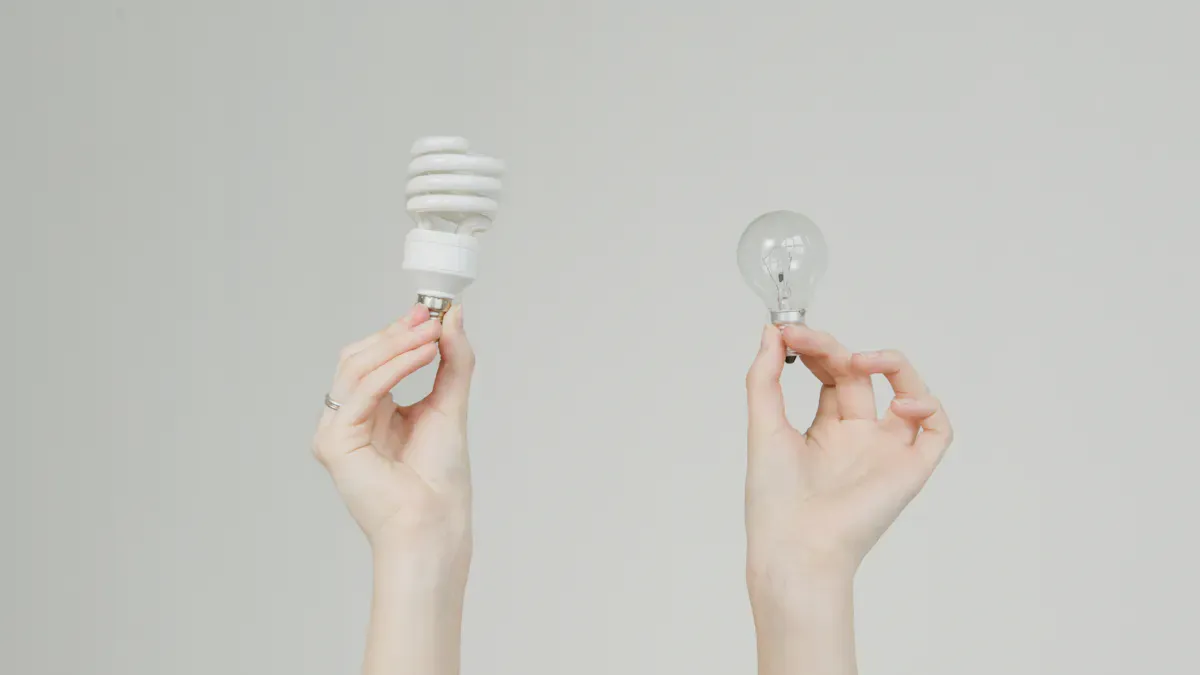
Before you buy a new bulb, you should check the size to make sure it fits your fixture. G9 LED bulbs usually have a compact design, which makes them suitable for many types of lighting. You can compare the standard dimensions of G9 LED bulbs with halogen equivalents in the table below:
Bulb Type |
Diameter (inches) |
Length (inches) |
Lifespan (hours) |
Power Consumption |
Heat Emission |
G9 LED |
0.7 |
1.9 |
15,000 - 50,000 |
10% of halogen |
Less |
G9 Halogen |
~0.5 |
~1.6 |
Up to 2,000 |
100% |
More |
You will notice that G9 LED bulbs last much longer and produce less heat. This makes them a safer and more efficient choice for your home.
Fixture Compatibility Tips
You want your new bulb to fit perfectly and work safely. Follow these steps to ensure a proper fit:
Turn off the power supply to the fixture before you start.
Remove the old bulb by gently pulling it out of the socket.
Align the prongs of the new G9 LED bulb with the socket and push it in until it feels secure.
Restore power and test the bulb, including any dimming features.
G9 LED bulbs generate very little heat compared to halogen bulbs, making them safer for use in enclosed fixtures. Their longer lifespan also means you will not need to replace them as often, which reduces the risk of accidents.
Always install G9 LED bulbs properly.
Avoid touching bare wires.
Follow the manufacturer's instructions for best results.
Common G9 Bulb Shapes
You can find G9 LED bulbs in several shapes, such as capsule, frosted, and clear designs. Capsule bulbs fit most standard fixtures. Frosted bulbs help diffuse light and reduce glare, which works well in open fixtures. Clear bulbs provide a crisp, focused beam, making them ideal for accent lighting. When you choose the right shape, you improve both the look and function of your lighting.
Dimmer Compatibility and G9 LED Bulbs
Identifying Dimmable Bulbs
You need to check if your G9 LED bulb supports dimming before you install it in a fixture with a dimmer switch. Manufacturers usually mark dimmable bulbs on the packaging or in the product description. Look for phrases like “dimmable” or “compatible with dimmers.” You should also review the specifications to confirm dimmer compatibility. Not all G9 LED bulbs work with every dimmer type. Some bulbs only function with specific dimming technologies, such as TRIAC or electronic dimmers. If you want to maximize energy efficiency and reduce energy consumption, select a bulb that matches your dimmer switch.
Tip: Always check the packaging for dimmer compatibility before you buy a G9 LED bulb.
Testing with Dimmers
After you install a G9 LED bulb, test it with your dimmer switch. Start by turning the dimmer to its lowest setting. Gradually increase the brightness to see if the bulb dims smoothly. If the bulb flickers or does not respond, it may not be compatible with your dimmer. You can try another bulb or check the dimmer’s specifications. Some dimmers work best with LED bulbs designed for energy efficiency. You should also make sure the bulb fits securely in the socket. Loose connections can cause flickering or intermittent dimming.
Step |
What to Do |
Check packaging |
Look for “dimmable” label |
Install bulb |
Secure bulb in socket |
Test dimmer |
Adjust brightness from low to high |
Observe performance |
Watch for flicker or smooth dimming |
Avoiding Flicker Issues
Flickering often happens when the G9 LED bulb does not match the dimmer switch. TRIAC dimmers can cause vibrations from the chopped AC signal, which leads to buzzing or flickering. You should always ensure the bulb and dimmer are compatible. If you notice flickering, follow these troubleshooting steps:
Ensure compatibility of the G9 LED bulb with the dimmer switch to prevent flickering.
Check for loose connections between the bulb and the socket.
Follow proper installation steps to make sure the bulb is securely in place.
You can improve energy efficiency and lower energy consumption by choosing the right bulb and dimmer combination. Proper installation and compatibility checks help you avoid common lighting problems and create a comfortable atmosphere in your home.
You can choose the right G9 LED bulb for every room by focusing on four key factors:
Brightness (using lumens instead of wattage to gauge light output)
Color temperature for the right mood and function
Size and fit for your specific fixtures
Dimmer compatibility for smooth, flicker-free control
Here is a quick-reference checklist to help you:
Room Type |
Recommended Bulb Type |
Purpose |
Chandeliers |
G9 capsule or loop lamps |
Decorative aesthetic |
Bathroom Vanities |
G9 frosted lamps |
Softer, flattering glow |
Kitchen |
G9 high lumen lamps |
Ample brightness for cooking |
Spotlights |
G9 mini lamps |
Focused light where needed |
You have the knowledge to light your home with confidence. Enjoy the process and see your rooms shine!
G9 LED Bulb Brightness Guide for Different Rooms
Choosing the right G9 LED bulb brightness depends on the atmosphere and function you want to create. A decorative chandelier in a dining room may need a softer glow, while task areas such as kitchens or bathrooms usually require stronger illumination.
The following guide can help you choose the appropriate brightness level for different spaces:
Room |
Recommended Brightness |
Recommended Color Temperature |
Lighting Purpose |
|---|---|---|---|
Bedroom |
300–450 lumens |
2700K–3000K |
Relaxing and comfortable ambient lighting |
Living Room |
400–600 lumens |
2700K–3000K |
General lighting and relaxing atmosphere |
Dining Room |
300–500 lumens |
2700K–3000K |
Warm and inviting dining environment |
Kitchen |
500+ lumens |
3500K–4000K |
Clear visibility for cooking and preparation |
Bathroom |
400–600 lumens |
4000K–5000K |
Bright and functional lighting |
Accent Lighting |
200–300 lumens |
2700K–3000K |
Highlighting decorative areas |
Keep in mind that fixtures with multiple G9 bulbs can create enough brightness even when each individual bulb has a lower lumen output. For example, a chandelier with six G9 LED bulbs can provide the same overall illumination as a single brighter bulb while creating a more balanced decorative effect.
FAQ
How long do G9 LED bulbs last?
You can expect most G9 LED bulbs to last between 15,000 and 50,000 hours. This means you will change bulbs much less often than with halogen options.
Are G9 LED bulbs safe to use in enclosed fixtures?
Yes, you can use G9 LED bulbs in enclosed fixtures. They produce less heat than halogen bulbs, which makes them safer for most applications.
Tip: Always check the manufacturer's instructions for fixture compatibility.
Can you use G9 LED bulbs with any dimmer switch?
Not all G9 LED bulbs work with every dimmer. You should look for bulbs labeled "dimmable" and check if your dimmer switch supports LED technology.
Check packaging for "dimmable"
Test with your dimmer switch
What color temperature should you choose for bedrooms?
You should pick warm white (2700K–3000K) for bedrooms. This color temperature creates a relaxing and cozy atmosphere, perfect for winding down.
Do G9 LED bulbs save energy compared to halogen bulbs?
Yes! G9 LED bulbs use up to 90% less energy than halogen bulbs. You will see lower electricity bills and reduce your carbon footprint.
Bulb Type |
Energy Use |
Lifespan |
G9 LED |
Very Low |
15,000–50,000 hrs |
Halogen |
High |
Up to 2,000 hrs |
Share:
How to Choose the Best Bathroom Lights Over Mirror: Size, Height & Style Guide
Summer Ceiling Fan Direction: Clockwise or Counterclockwise?