
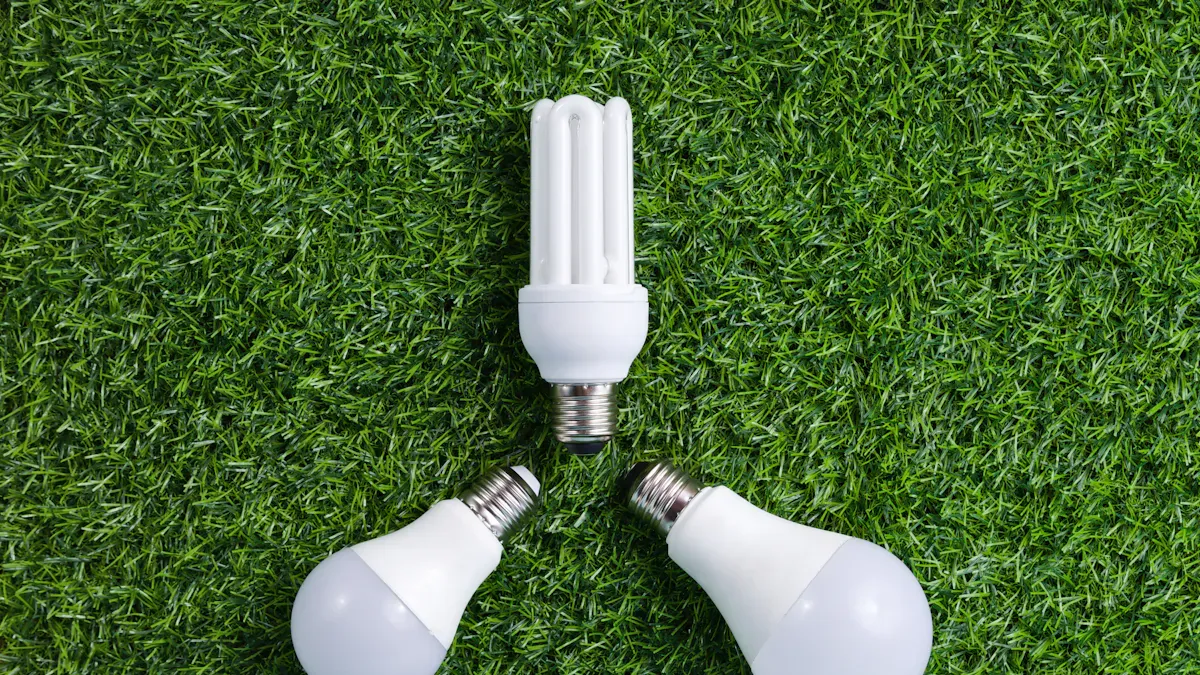
You want the best lighting for your home, which often leads to the classic lighting aisle dilemma: LED lights versus incandescent light bulbs. If you grew up with the warm, familiar glow of traditional glass bulbs, making the switch can feel daunting. However, backed by energy experts and modern technology, LED bulbs offer overwhelming advantages for most households.
When comparing light bulbs, understanding the core differences will help you make the best choice for your wallet, your home's ambiance, and the environment.
Key Takeaways
To help you make a quick decision, here is a data-driven snapshot of how these bulbs compare, supported by standards from the U.S. Department of Energy (DOE) and ENERGY STAR:
Massive Energy Savings: LED bulbs use up to 80% less energy than traditional incandescent bulbs.
Cost Efficiency: Switching ten 60W incandescent bulbs to 10W LEDs can save about $60 each year for ten bulbs depending on local utility rates.
Extreme Longevity: A quality LED lasts 25,000 to 50,000 hours, compared to a standard incandescent’s mere 1,200 hours.
Thermal Safety: Incandescent bulbs waste 90% of their energy as heat, while LEDs remain cool to the touch, reducing cooling costs and fire hazards.
Versatility: Modern LEDs replicate the warm glow of incandescents but also offer daylight tones, smart home compatibility, and superior color accuracy.
LED Lights vs Incandescent Light Bulbs: Key Differences
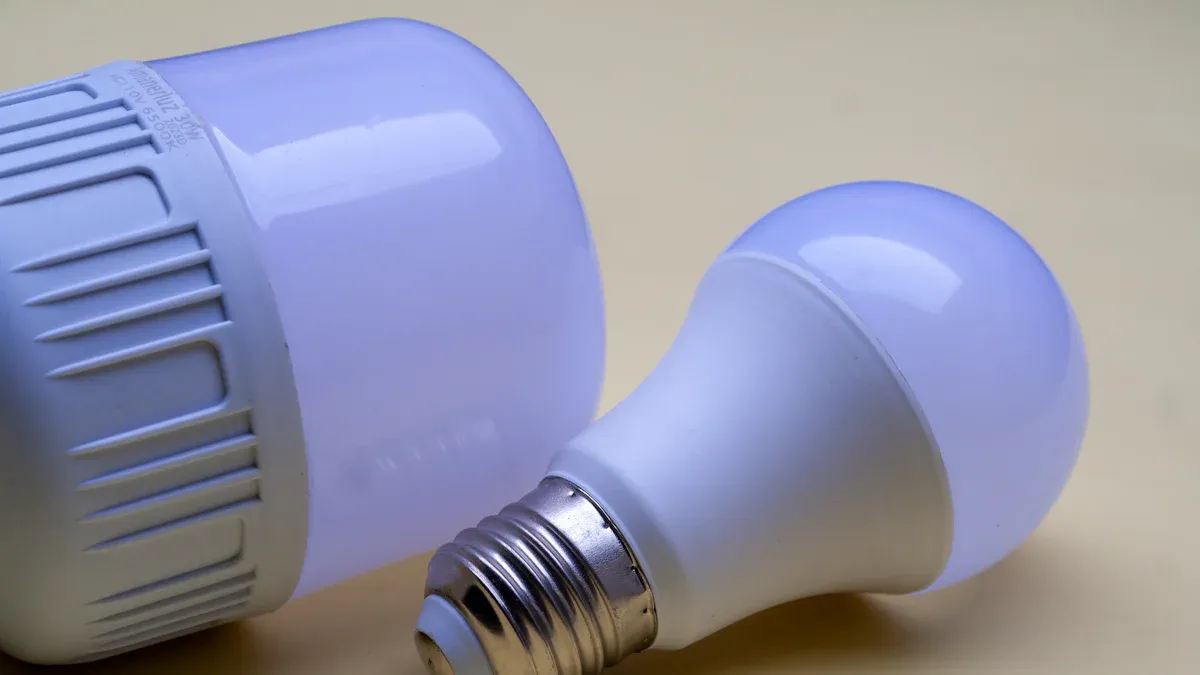
When you pick between led lights and incandescent bulbs, you need to think about a few things. You want the bulb that is best for your home. The biggest differences are energy use, saving money, and how much heat they make. You can see these differences when you look at how each bulb works.
Energy Efficiency of LED Bulbs
You want your house to use less energy and save money. Led bulbs are special because they use a lot less power than incandescent bulbs. When you use a led bulb, you get more light for each watt. This means your rooms are brighter and you do not waste energy.
Tip: If you switch to led bulbs, you can pay less for electricity and help the planet.
Led bulbs are much more efficient than incandescent bulbs. Energy Star says led bulbs give 37 to 120 lumens for each watt. Incandescent bulbs only give about 10 lumens for each watt. So, led bulbs save more energy and work better.
Here is a table that shows how much power and energy each bulb uses:
Bulb Type |
Power Consumption (Watts) |
Daily Consumption (kWh) |
Monthly Consumption (kWh) |
Annual Consumption (kWh) |
|---|---|---|---|---|
Incandescent (60W) |
60 |
0.12 |
3.6 |
43.8 |
LED (10W) |
10 |
0.02 |
0.6 |
7.3 |
Bulb Type |
Source Efficiency (lumens/watt) |
System Efficiency (lumens/watt) |
|---|---|---|
LED |
37 - 120 |
> 50 |
Incandescent |
~10 |
< 10 |
Led bulbs use up to 85% less energy than incandescent bulbs for the same amount of light. For example, a 10-watt led bulb is as bright as a 60-watt incandescent bulb. This makes led bulbs the best choice if you want to save energy.
10 to 15 watt led bulbs are as bright as 60 to 100 watt incandescent bulbs, making 800 to 1,600 lumens.
If you change from incandescent bulbs to led bulbs, you can save about $60 each year for ten bulbs. In ten years, you could save $300 on energy and new bulbs. Each bulb can save you $5 to $15 every year, with an average savings of $70.08.
Incandescent Bulbs and Power Use
Incandescent bulbs have been around for a long time, but they have some problems. These bulbs use much more power than led bulbs. A normal 60-watt incandescent bulb uses 60 watts every hour. This is 0.06 kilowatt-hours each hour. Incandescent bulbs come in 40W, 60W, 75W, and 100W.
Incandescent bulbs are not good at saving energy. They waste about 90% of their energy as heat. Only a little bit of the energy makes light. This means incandescent bulbs are not efficient and can make your bills go up.
Note: Incandescent bulbs can make your room warmer, especially if the space is small. This extra heat can make your air conditioner work harder and cost you more money.
Up to 90% of the energy used by incandescent bulbs turns into heat.
The heat can make rooms hotter, so you use more air conditioning.
Hotter rooms can make your energy bills go up and can hurt electronics.
Led lights and incandescent bulbs also change how safe and comfortable your home feels. Led bulbs stay cool when they are on. Incandescent bulbs get hot and can be unsafe in some lamps. You want to avoid too much heat and wasting energy.
Bulb Type |
Wattage for Equivalent Brightness |
Energy Savings |
|---|---|---|
Incandescent |
60 watts |
N/A |
LED |
8 to 10 watts |
Up to 85% less energy |
Incandescent bulbs are not efficient, with only about 10 lumens for each watt. Led bulbs can give up to 120 lumens for each watt. You get more light and less heat with led bulbs, so they are better for saving energy and staying safe.
When you look at led lights and incandescent bulbs, you see that led bulbs have more good points and fewer bad ones. You save money, use less energy, and keep your house cooler. Incandescent bulbs cost less at first, but they use more energy and make more heat. Led bulbs are the best and most energy-saving choice for your home.
Lifespan and Durability of LED and Incandescent Bulbs
How Long Do LED Bulbs Last?
You want your lighting to last as long as possible. The lifespan of a led bulb far exceeds that of an incandescent light bulb. Most led bulbs last between 25,000 and 50,000 hours. Some premium models can reach up to 100,000 hours. You can expect a typical led to work for about 15 years if you use it three hours each day. This long lifespan means you will not need to change bulbs often.
A led bulb does not fail suddenly. Instead, it dims slowly over time. You will notice the light getting softer, but the bulb keeps working. Modern led bulbs can handle up to 50,000 switch cycles. Turning them on and off many times does not shorten their lifespan. This makes led bulbs a smart choice for rooms where you use lights often.
Here is a table that shows how the lifespan of led bulbs compares to incandescent bulbs:
Bulb Type |
Typical Lifespan (hours) |
Comparison to Incandescent |
|---|---|---|
LED |
21 - 166 times longer |
|
Incandescent |
1,200 |
1 |
Incandescent Bulb Lifespan
The lifespan of an incandescent bulb is much shorter. A standard incandescent light bulb usually lasts about 1,000 to 1,200 hours. You will need to replace these bulbs many times during the life of your lamp or fixture. When an incandescent bulb fails, it stops working all at once. You get no warning, and the room goes dark.
Incandescent bulbs do not handle vibration or movement well. If you use them in places with shaking or bumps, the filament can break. Some incandescent bulbs have reinforced filaments or thicker glass, but their lifespan still remains low compared to led bulbs.
You can see the difference in durability and lifespan in this table:
Bulb Type |
Typical Lifespan (hours) |
Failure Characteristics |
|---|---|---|
LED |
25,000 - 200,000+ |
Gradual dimming; partial operation possible |
Incandescent |
~1,200 |
Sudden failure; stops working completely |
If you want a bulb with a long lifespan and strong durability, led bulbs are the best choice. You will save time and money because you will not need to change bulbs as often. Incandescent bulbs may cost less at first, but their short lifespan means you will buy replacements many times.
Cost Comparison: LED vs Incandescent
Upfront Price of LED Bulbs
When you shop for light bulbs, you notice that the upfront price is one of the first pros or cons you consider. LED bulbs usually cost more than incandescent bulbs at the store. You pay a higher price for LED, but you get many pros in return. Incandescent bulbs cost less, so you might see this as a pro if you need a quick replacement. Here is a table that shows the average price range for each bulb:
Bulb Type |
Average Price Range |
|---|---|
LED Bulbs |
$3 - $8 |
Incandescent Bulbs |
$1 - $2 |
You see that LED bulbs cost more at first. This is a common cons for many buyers. Incandescent bulbs cost less, but you need to look at the long-term pros and cons before making your choice.
Long-Term Savings with LEDs
You want to save money over time, so you need to look beyond the initial price. LED bulbs offer major pros when you compare energy costs and replacement needs. Incandescent bulbs use more power, which leads to higher bills. LED bulbs use less energy, so you pay less each month. Here are some facts about long-term savings:
Incandescent bulbs cost about $70–$75 per year in energy.
LED bulbs lower that cost to $10–$15 per year.
You save around $60 each year when you replace ten bulbs.
LED bulbs last much longer, so you buy fewer replacements.
You also need to consider maintenance and replacement costs. LED bulbs last up to 25,000 hours, while incandescent bulbs last only 750–1,000 hours. This means you change incandescent bulbs more often, which adds to the cons. Here is a table that compares costs and lifespan:
Type of Bulb |
Initial Cost |
Lifespan (hours) |
|
|---|---|---|---|
Incandescent |
Lower |
$70–$75 |
750–1,000 |
LED |
Higher |
$10–$15 |
15,000–25,000 |
You see that LED bulbs have higher upfront costs, but the pros include lower energy bills and fewer replacements. Incandescent bulbs have lower initial costs, but the cons are higher energy use and frequent changes. If you want the best value, LED bulbs give you more pros in the long run.
Light Quality: LED vs Incandescent
Color and Brightness Differences
You want your home to feel comfortable and look its best. The color and brightness of your bulb play a big role in this. Incandescent bulbs usually give off a warm, yellow glow. This type of light feels cozy and familiar, but it does not offer much flexibility. Most incandescent bulbs have a color temperature around 2700K, which is similar to candlelight.
LED bulbs give you more options. Many LED bulbs are made to look like incandescent bulbs, with warm tones between 2200K and 2700K. You can also find LED bulbs that produce cooler, bluish-white light, with color temperatures above 5000K. This range lets you pick the right mood for each room.
Bulb Type |
Color Temperature (Kelvin) |
Light Quality Description |
|---|---|---|
Incandescent |
~2700K |
Warm, yellow glow similar to candlelight |
LED |
2200K - 5000K+ |
Range from warm tones to cool, bluish-white light |
LED bulbs also offer a high Color Rendering Index (CRI), often in the upper 80s to high 90s. Incandescent bulbs have a CRI of 100, which means they show colors very accurately. High CRI in LED bulbs helps you see true colors and creates a pleasant atmosphere.
Bulb Type |
|
|---|---|
Incandescent |
100 |
LED |
Upper 80s to high 90s |
Incandescent bulbs give you a warm glow, but they are less versatile.
LED bulbs can provide soft warm tones or bright daylight, so you can match your needs.
Dimming and Compatibility
You may want to adjust the brightness in your space. Dimming is a key feature for many people. Incandescent bulbs work well with most traditional dimmer switches. They dim smoothly and do not cause problems. This is one of the pros of incandescent bulbs.
LED bulbs can also be dimmed, but you need to check if your bulb is dimmable. Not all LED bulbs work with old dimmer switches. You often need an LED-compatible dimmer to avoid issues. Some cons of using the wrong dimmer with LED bulbs include flickering, buzzing, or a limited dimming range.
Bulb Type |
Dimmable |
Compatibility with Traditional Dimmers |
Performance Issues |
|---|---|---|---|
LED |
Yes, but not all |
Requires LED-compatible dimmers |
Flickering, buzzing, reduced dimming range |
Incandescent |
Yes |
Compatible with traditional dimmers |
Smooth dimming performance |
Common problems with dimming LED bulbs include:
Drop out (light cuts out when dimming low)
Pop on (light turns on too bright)
Dead travel (no response in parts of the dimming scale)
Ghosting (bulb glows when off)
Flickering or strobing
Tip: Always check the packaging to see if your LED bulb is dimmable and use the right dimmer switch for the best results.
When you compare the pros and cons, LED bulbs give you more choices for color and brightness. Incandescent bulbs offer smooth dimming and a classic look, but they lack the flexibility of LED bulbs. You can enjoy the benefits of both by choosing the right bulb for your needs.
Environmental Impact of LED and Incandescent Bulbs
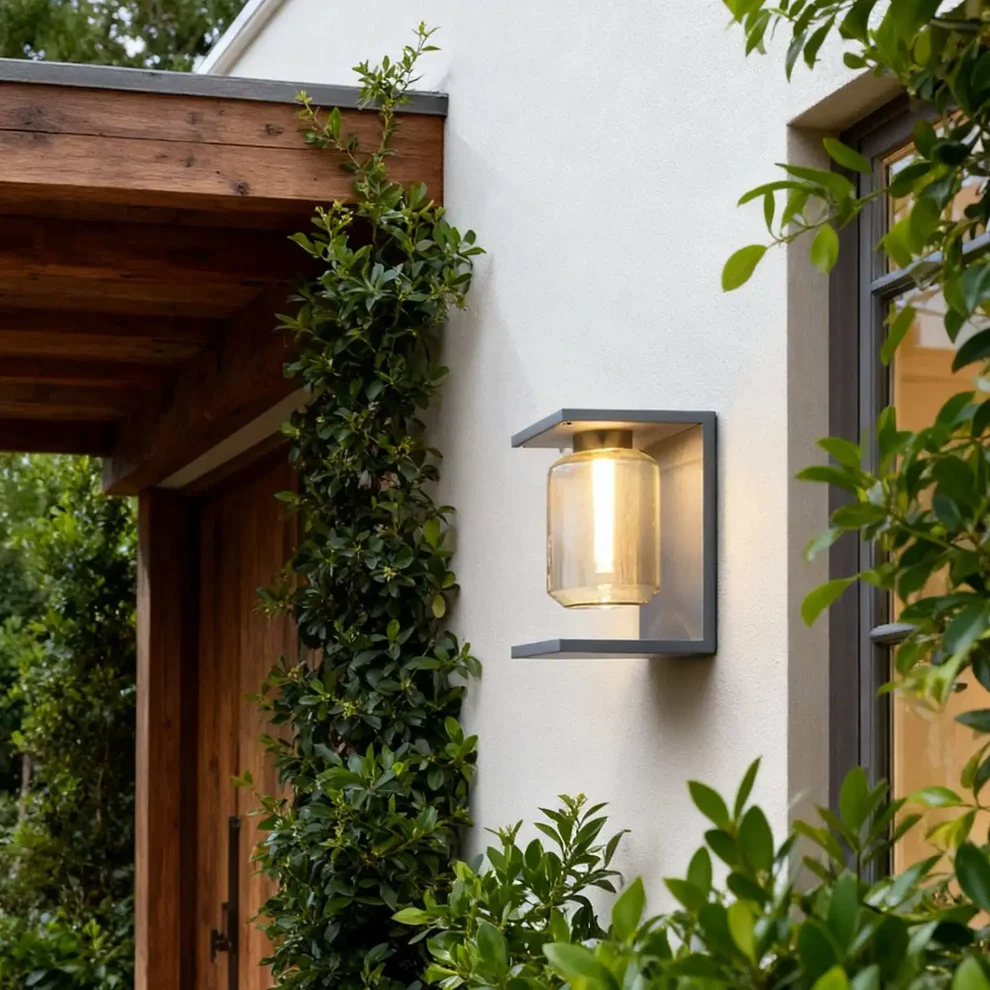
Sustainability and Energy Use
You want to help your home and the planet. When you look at led and incandescent bulbs, you see big differences. Led bulbs use up to 80% less energy than incandescent bulbs. This means you pay less for electricity and make less carbon dioxide. Incandescent bulbs waste most energy as heat. This makes more greenhouse gases and puts stress on power plants.
If you switch to led bulbs, you can save about $225 each year. Lighting is about 15% of your home's electricity use. Led bulbs last much longer, so you throw away fewer bulbs. This means less trash and helps the earth. Led bulbs do not have dangerous stuff like mercury, so they are safer to use.
Here is a table that shows the pros and cons:
Bulb Type |
Pros (Sustainability) |
Cons (Sustainability) |
|---|---|---|
LED |
Lower energy use, longer lifespan, no hazardous materials |
Higher upfront cost |
Incandescent |
Lower initial price |
Higher energy use, short lifespan, more waste |
Tip: Picking led bulbs is better for the earth and saves you money.
Disposal and Recycling
You need to know how to get rid of old bulbs. Incandescent bulbs can go in the trash, but this makes more landfill waste. Led bulbs are better because you can recycle them in many places. You should take led bulbs to electronics centers or recycling events. This keeps good materials out of landfills and helps the planet.
Led bulbs do not have dangerous chemicals, so you do not need special rules to throw them away. Incandescent bulbs also do not have hazardous stuff, but they break easily and make more trash. Led bulbs are made from safe materials, and recycling helps get back metals and plastics.
Led bulbs: Recycle at electronics centers or drop-off events.
Incandescent bulbs: Throw away in the regular trash.
Led bulbs have more good points for disposal and recycling. Incandescent bulbs make more trash and are not easy to recycle. When you pick led bulbs, you help make less landfill waste and keep the earth cleaner.
Choosing the Right Bulb for Each Room
Best LED Bulbs for Living Spaces
You want your living room to be bright and cozy. LED bulbs are a good choice for these spaces. They come in many colors, from warm to cool. You can pick the color that fits your style. LED bulbs use less energy, so you save money. They last much longer than incandescent bulbs. This means you do not have to change them often. LED bulbs stay cool, even in closed fixtures. This helps prevent overheating. You get good light and do not need to do much maintenance. For living rooms, bedrooms, and kitchens, LED bulbs are usually the best choice.
Incandescent Bulbs for Ambiance
Some homeowners still prefer the authentic, classic glow of traditional incandescent bulbs to create a warm and cozy atmosphere in dining rooms or specific accent areas. While they do offer a beautiful, nostalgic light, incorporating them into your home requires careful safety planning.
Because incandescent bulbs convert up to 90% of their energy into heat, they operate at much higher temperatures than LEDs. This thermal output isn't necessarily a dealbreaker for ambiance, but it does mean they require strict usage conditions. To safely enjoy their ambient glow, you must exclusively install them in well-ventilated, open fixtures to allow heat to dissipate safely. Never place them in enclosed glass fixtures, tight spaces, or near flammable materials like fabric lampshades and window curtains.
By understanding these thermal constraints and strictly using them in open spaces, you can safely utilize incandescent bulbs for targeted, nostalgic ambiance, even though LEDs remain the superior choice for everyday efficiency.
Specialty and Decorative Uses
You may want to make your home look special or show off certain features. Specialty and decorative bulbs can help you do this. LED bulbs come in many shapes and styles, like globe and vintage looks. You can use decorative LEDs in wall lights, chandeliers, and fixtures where the bulb shows. These bulbs save energy and last a long time.
Decorative LEDs make wall lights, chandeliers, and open fixtures look nice.
They come in many styles, like globe and vintage.
Many LED bulbs fit special fixtures and sockets.
Some LED bulbs are made for spotlights, flood lights, and fun shapes.
Incandescent bulbs are harder to find now because of new rules. They do not last long and use more energy, which is a problem. For most special uses, LED bulbs are better and have fewer problems.
Pick the right bulb for each room by thinking about what you need, your style, and safety. LED bulbs are best for most rooms. Incandescent bulbs are good for a cozy look in open fixtures.
Common Myths About LED and Incandescent Bulbs
You might still have some hesitations about your lighting choices due to outdated information. Instead of revisiting basic energy efficiency, let’s clear up some of the most persistent—and genuinely confusing—myths regarding both LED and incandescent performance.
Myth 1: "LED bulbs emit dangerous blue light that ruins your sleep."
You have likely heard warnings about blue light from smartphone screens, and some people mistakenly apply this fear to all LED bulbs. In reality, the "blue light hazard" depends entirely on the color temperature you choose. Modern "warm white" LED bulbs (2700K–3000K) are engineered with special phosphors that absorb sharp blue emissions and convert them into a warm, relaxing glow. Their blue light output is essentially identical to that of a traditional incandescent bulb, making them perfectly safe for your bedroom.
Myth 2: "Only incandescent bulbs can provide smooth, high-quality dimming."
Because early LEDs occasionally flickered on older, incompatible dimmer switches, a persistent myth remains that traditional incandescent bulbs are the only option for true mood lighting. Today, this is completely false. Premium dimmable LEDs, when paired with modern LED-compatible dimmers, offer flawless, 100%-to-1% smooth dimming. Furthermore, advanced "warm-dim" LED technology now perfectly replicates the way an incandescent bulb gets visually warmer (more orange/amber) as it dims, giving you the exact same classic ambiance without the massive energy waste.
Myth 3: "Turning lights on and off frequently shortens their lifespan."
If you grew up with incandescent or fluorescent tubes, you learned that flipping the switch too often burns out the filament or degrades the ballast. While this is absolutely true for incandescent bulbs (where the fragile tungsten wire weakens with every power surge), you do not need to worry about this with LEDs. Because LEDs are solid-state semiconductors, they are completely unaffected by switching cycles. Turning an LED bulb on and off 10,000 times will not reduce its lifespan by a single minute.
You have seen the pros and cons of both incandescent and LED bulbs. Incandescent bulbs give you a classic look, but each bulb uses more energy and lasts less time. LED bulbs offer more pros and fewer cons. You save money, change bulbs less often, and help the planet. When you pick light bulbs, think about what you need. The right bulb makes your home brighter and safer. Most homes benefit from LED bulbs, but you should weigh the pros and cons before you decide.
FAQ
Can you use LED bulbs in any fixture?
You can use LED bulbs in most fixtures. Check the packaging for compatibility. Some enclosed fixtures need special LEDs. Always match the bulb base and wattage to your fixture.
Do LED bulbs really save money?
Yes, you save money with LEDs. They use less energy and last longer. You buy fewer replacements. Over time, your electricity bills go down.
Are LED bulbs safe for your eyes?
LED bulbs are safe for your eyes when you choose the right color temperature and brightness. Pick bulbs labeled "warm white" or "soft white" for home use.
Tip: Avoid staring directly at any bright light source, including LEDs.
What should you do with old bulbs?
Bulb Type |
Disposal Method |
|---|---|
LED |
Recycle at electronics centers |
Incandescent |
Place in regular trash |
You should recycle LEDs when possible. Throw incandescent bulbs in the trash.
Share:
Illuminate Your Night: Best Bedside Reading Lamps Reviewed
Choosing Kitchen Island Lighting Made Easy for Homeowners