
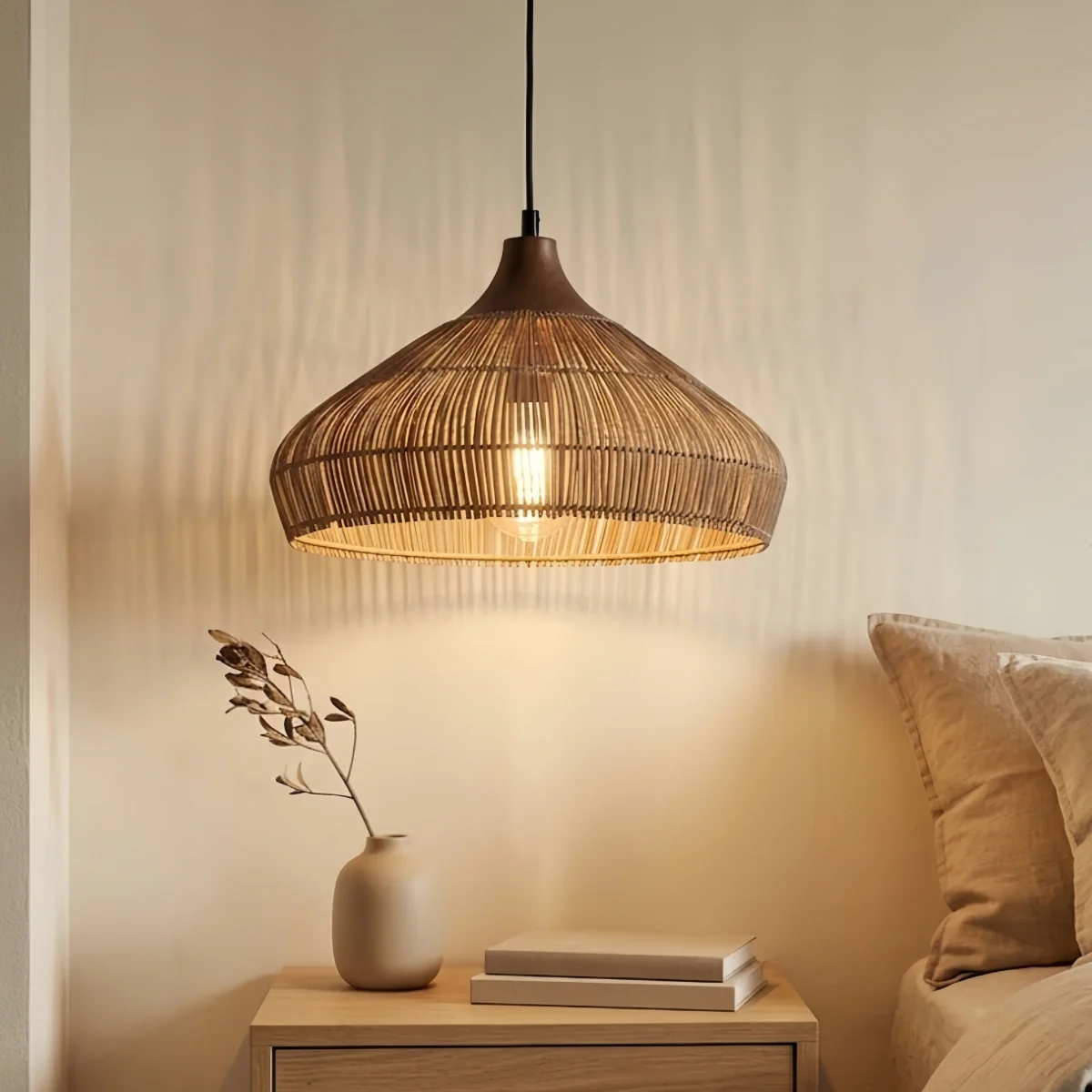
You may ask if a rattan pendant light is special compared to other natural lights. Each material like rattan, bamboo, and seagrass, jute has its own look and feel. Rattan has a woven style, is good for the environment, and can be used in many ways. Many people pick rattan pendant lights because they cost less and make rooms feel warm. Rattan gives both beauty and usefulness, so it works well in many spaces.
As an independent lighting studio specializing in high-end, atmospheric interior design, we spend our days directly sourcing, testing, and styling premium fixtures for the European and American markets. While we proudly design and sell rattan and natural fiber lighting, this guide is written as an objective, data-backed resource. Our goal is to share our hands-on manufacturing and styling expertise to help you make the most informed decision for your specific architectural space—regardless of where you choose to purchase.
Key Takeaways
Rattan pendant lights do not cost much. They are good for the environment. This makes them a smart choice for cool and green lighting.
The special woven look of rattan gives warmth and texture. It helps make any room feel cozy and nice.
Rattan lights can work with many styles. They look good in modern or rustic rooms. They help make your space look better.
These lights last a long time and are simple to care for. You only need to dust them often to keep them looking new.
Picking rattan helps the planet. Rattan is cut without hurting trees. It grows back, so it is a resource we can use again.
Comparing Natural Lighting Options
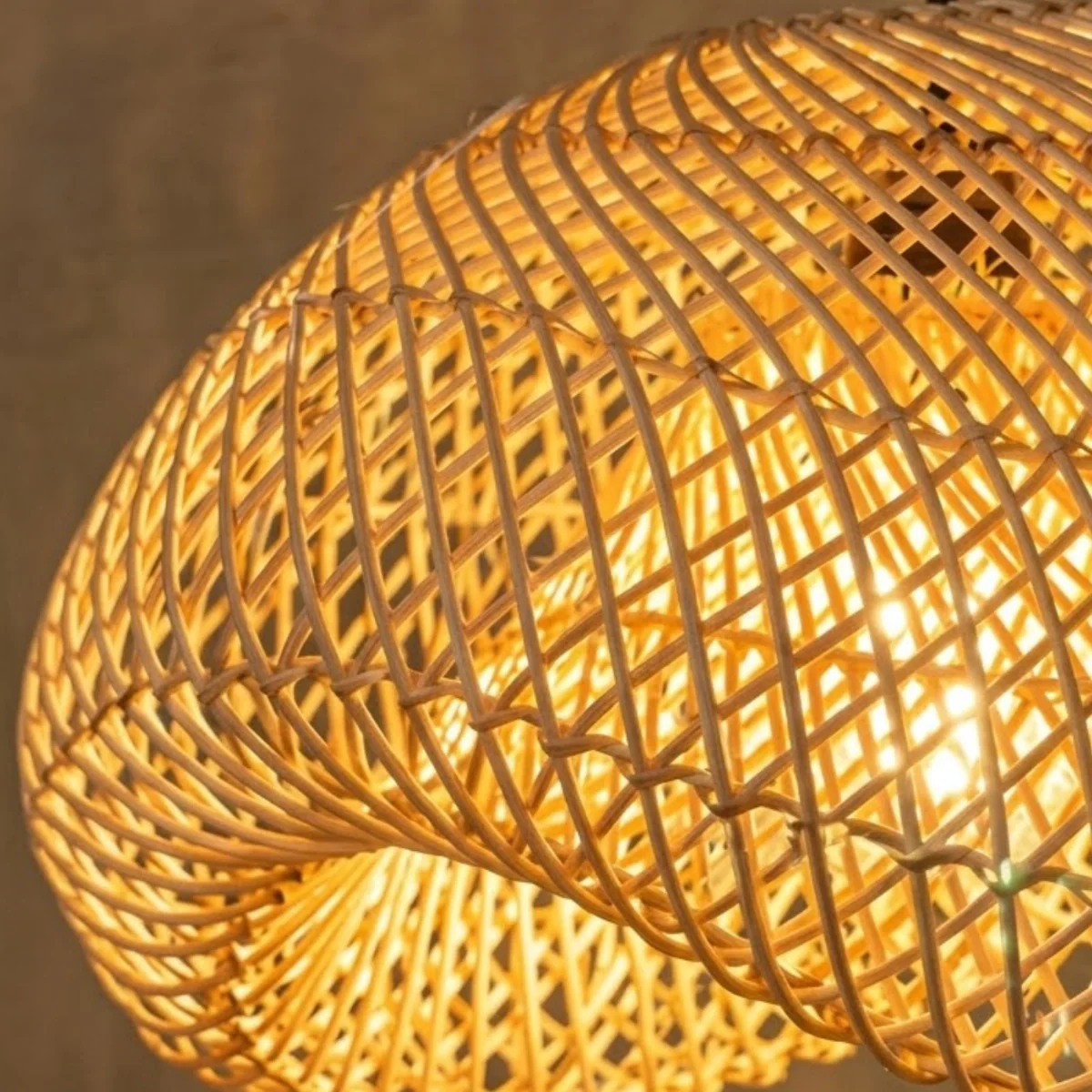
When you look at natural lighting, you see many choices. Each material has its own style and strengths. Some are strong, some are soft, and some are good for the planet. The table below shows how rattan, bamboo, and jute are different. It explains what they are made of and how they are used.
Material |
Composition Characteristics |
Design Applications |
|---|---|---|
Rattan |
Strong, flexible, sustainable; harvested without tree felling |
Chandeliers, sconces, table lamps; intricate weaving techniques for unique designs |
Bamboo |
Fast-growing, renewable; minimal environmental impact |
Pendants, floor lamps, wall fixtures; natural charm and versatility in design |
Jute |
Soft, organic texture; sustainable |
Chandeliers with tiered layers, woven fixtures like wall sconces and lamps; adds warmth and character |
Rattan Pendant Lights Overview
Rattan pendant lights are good for both looks and use. They are not expensive and help the environment.
Rattan pendant lights are far more than just functional fixtures; they are textural design elements that bring organic warmth into any space. Handwoven rattan offers a unique, tactile quality that effortlessly softens harsh architectural lines, making it a cornerstone of high-end interior styling.
"Incorporating natural rattan is the most effective way to ground a room," notes interior architect Sarah Jenkins. "When paired with a high-quality 3000K warm white LED bulb, the woven pattern filters the light to create a cozy, restaurant-like ambiance." This makes rattan exceptionally versatile across premium aesthetics. It brings an earthy nostalgia to Nordic Retro interiors, especially when styled alongside walnut wood furniture. In American Modern or Minimalist spaces, an oversized rattan pendant acts as a striking textural focal point, perfectly softening the industrial edge of heavy-duty metal hardware and clean architectural lines.
Real-World Experience: A Home Transformation The true value of a rattan pendant is best seen in real homes. Mark, a homeowner who recently upgraded his dining space, shared his experience:
"We were struggling with a dining room that felt too cold and clinical. Replacing our old metal fixtures with a woven rattan pendant completely changed the dynamic. It immediately warmed up the space, and the way the light filters through the weave at night creates this cozy, high-end restaurant atmosphere right in our own home."
Despite their intricate appearance, rattan fixtures are highly durable. Use a dry microfiber cloth or a soft-bristled brush bi-weekly to gently clear dust from the woven crevices. Always avoid liquid cleaners, and ensure the fixture is placed in a dry, well-ventilated room, as prolonged moisture can weaken the natural fibers and cause them to lose their rigid shape.
Bamboo Lighting Overview
Bamboo lighting offers a sleek, architectural alternative to softer woven materials. Because mature bamboo is incredibly rigid and strong, artisans can craft fixtures with sharp, clean geometric lines rather than loose organic shapes. This structural integrity allows bamboo fixtures to direct light precisely downwards, making them exceptional for task lighting over kitchen islands or reading areas.
Expert Insight & Design Application
"Bamboo brings a sense of structural discipline to natural design," explains interior stylist David Chen. "Because the material holds straight lines so well, it doesn't leak light through the sides like looser weaves do, providing a cleaner, more focused beam." This makes bamboo the undisputed choice for Japandi and Modern Minimalist interiors, where clean lines and functional simplicity are paramount.
Specific Care Tips:
Bamboo is highly resilient to everyday bumps, but its smooth surface shows dust easily. A quick wipe with a dry microfiber cloth is all it takes to maintain its sleek appearance.
Seagrass Lighting Overview
Seagrass lighting is defined by its inherently relaxed, coastal texture. Harvested from aquatic environments, the material is highly pliable when woven, resulting in softer, more organic silhouettes. Unlike the focused beam of bamboo, tightly woven seagrass acts as a natural diffuser. It breaks up harsh glare and bathes the surrounding space in a soft, omnidirectional ambient glow.
Expert Insight & Design Application
Seagrass is the go-to material for spaces designed around rest and relaxation. "The natural color variations in dried seagrass bring a tactile warmth to sterile rooms," notes residential designer Elena Rostova. "It is perfect for softening the acoustic and visual harshness of modern bedrooms or sunrooms." It pairs flawlessly with Mediterranean-inspired or Bohemian aesthetics.
Specific Care Tips:
Because seagrass is highly porous, it is extremely sensitive to ambient humidity. To prevent the fibers from expanding or developing mold, seagrass fixtures must be strictly installed in dry, well-ventilated rooms, avoiding bathrooms or damp basements entirely.
Jute Lighting Overview
Jute stands out for its soft, rope-like texture and deeply rustic appeal. Often utilized in tiered chandeliers or tightly wrapped around heavy-duty metal frames, jute brings a substantial, tactile presence to a room. Interestingly, because jute fibers are so thick and soft, they absorb light rather than reflect it, resulting in a distinctly muted, subtle atmosphere.
Expert Insight & Design Application
Beyond its visual appeal, jute offers a unique functional benefit: sound absorption. Hanging a large, tiered jute chandelier in a spacious dining room with hardwood floors can actually help dampen echoing acoustics. Aesthetically, it is the perfect complement to Rustic Modern interiors, adding a heavy, grounded earthiness that contrasts beautifully with crisp white walls.
Specific Care Tips:
Jute is the most delicate of the natural fibers regarding wear and tear. It is prone to fraying if handled roughly. To clean, avoid brushing; instead, use the upholstery attachment on your vacuum cleaner on the lowest setting to gently pull away dust without disturbing the woven fibers.
Style & Aesthetic Appeal
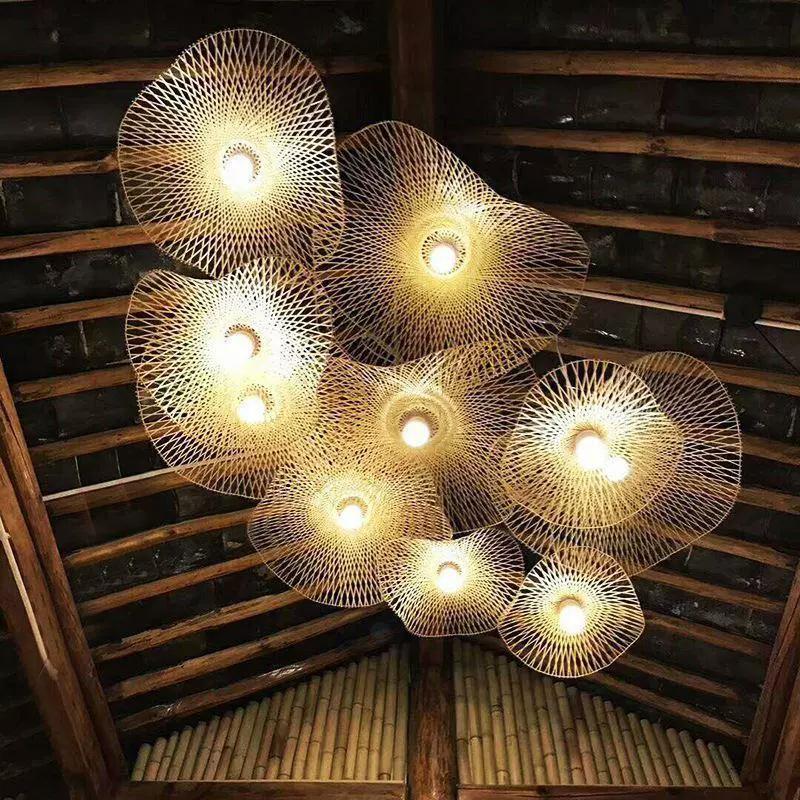
Rattan Pendant Lights: Texture & Warmth
A rattan pendant light can change any room. The woven design adds texture and warmth. This makes your space feel cozy and stylish. Rattan pendant lights make warm light and cool shadows. They also add depth to your room. You often see these lights in styles like:
Scandinavian Minimalism
Japandi
Mediterranean-inspired interiors
A rattan pendant light mixes natural texture with a fancy look. This lighting is pretty and useful. Many people like it because it makes rooms feel friendly and welcoming.
Bamboo: Sleek & Modern
Bamboo lighting looks smooth and modern. You can use bamboo lights for a clean, natural touch. Bamboo has special ways of working with light. It makes rooms look lively in a way fake materials cannot. The weaving and texture of bamboo lights make spaces feel nice and comfy. Studies say rooms with bamboo lights feel 42% more inviting. They also feel 38% more comfortable than rooms with regular lights. This style is good if you want a modern look with strong design.
Seagrass: Casual & Organic
Seagrass lighting gives your home a relaxed, natural feel. You can use seagrass lights in living rooms, bedrooms, halls, or dining rooms. These lights are best for places where you want a warm, earthy feel. The soft glow and natural fibers make the room feel comfy and stylish.
Jute: Rustic & Earthy
Jute lighting gives your room a rustic, earthy look. The natural material adds warmth and texture. Jute lamps give off soft, gentle light. This makes the room feel cozy and welcoming. Jute comes in different finishes. Some look bright and light, others look rich and textured. This lets you pick the style you like.
Ambient Lighting Quality
Rattan Pendant Light: Cozy Atmosphere
You see a change when you pick a rattan pendant light. The woven rattan lets light shine through softly. This makes a gentle glow that feels warm and nice. The design puts soft shadows on your walls and ceiling. These shadows make your room look deeper and more interesting. You get a cozy feeling that is different from other lights.
Rattan pendant lights give off a soft glow. This glow makes your room feel warm and welcoming.
The weaving lets light filter through. It puts gentle shadows in the room and makes it feel nicer.
Rattan gives more depth and texture than bamboo in how it spreads light.
Wooden lamps can be bright or dim. They do not spread light as well as rattan.
You can use rattan pendant lights in living rooms, bedrooms, or dining rooms. The soft light makes your home feel comfy and cool. Many designers like rattan because it looks good and works well.
Tip: If you want your room to feel cozy and friendly, rattan pendant lights are a great choice. They mix style and warmth.
Bamboo: Bright & Focused
Bamboo lighting gives you bright and focused light. The design uses straight lines and smooth shapes. This helps send light where you need it. Bamboo shades have fewer holes, so less light escapes. You get a strong beam of light. This is good for kitchens or work areas. Bamboo fits modern and simple styles. You can trust bamboo lights to make any space brighter.
Seagrass: Soft & Diffused
Seagrass lighting brings a calm and gentle feeling to your home. The fibers in seagrass shades spread light softly. You see a nice glow that fills the room. The weaving adds a natural touch to your space. This lighting works best in living rooms, bedrooms, or places where you want a calm mood.
Woven seagrass spreads light nicely. It makes a gentle glow.
Seagrass shades add a natural touch. They make the soft light even better.
Beachy lamp shades help make the room feel relaxed and inviting.
You can use seagrass lights to make your home feel peaceful. The soft light helps you rest after a busy day.
Jute: Muted & Subtle
Jute lighting gives you soft and gentle light. The fibers in jute shades make the light less bright. You get a glow that does not take over the room. Jute works well in rustic or earthy rooms. The light feels calm and quiet. You can use jute lights in bedrooms, reading spots, or cozy corners. The design adds warmth but is not too bright.
Durability & Maintenance
Rattan Pendant Lights: Airflow & Longevity
Rattan pendant lights let air move around the bulb. This helps stop heat from building up. The bulb can last longer and is less likely to get too hot. Rattan lights are strong if you dust them often and keep them dry. They do not cost much, so you can replace them easily. Rattan is light and does not fade quickly. Do not put rattan lights in wet places for best results.
Bamboo: Strong & Resilient
Bamboo lighting is tough and can handle bumps well. It does not bend or crack easily, even if you use it a lot. You can clean bamboo lights by wiping them with a dry cloth. Bamboo is strong, so you do not need to fix it often. This means you can enjoy your lights for a long time.
Seagrass: Moisture Sensitivity
Seagrass lighting looks calm but does not like water. In wet rooms, seagrass soaks up water and gets bigger. This makes dust stick and can cause mold or break the fibers.
Seagrass lights do not last long in bathrooms or kitchens.
If the air is very wet, seagrass will not last as long.
You may need to clean seagrass lights more often to keep them nice.
Jute: Wear & Tear
Jute lighting looks rustic but wears out faster than rattan or bamboo. The fibers can fray or fade in busy rooms. You should dust jute lights gently and keep them away from water. Jute is good for the planet but works best in dry, quiet places.
Eco-Friendliness & Sustainability
Rattan Pendant Lights: Renewable Choice
Rattan is one of the most environmentally responsible materials available for interior lighting. Unlike slow-growing timber that requires destructive deforestation, rattan is a fast-growing vine that relies on existing forest canopies for support. This unique growth habit naturally encourages the preservation of tropical forests. When you choose an authentic rattan pendant, you are bringing a piece of sustainable nature into your space while actively protecting global ecosystems.
When evaluating the true eco-friendliness of natural fiber lighting, standard electronic certifications do not apply. Instead, premium lighting relies on standards that protect both the environment and your indoor air quality.
Here is what to look for:
Sustainability Standard |
What It Means for Your Home & the Environment |
|---|---|
Sustainable Sourcing (e.g., FSC® aligned) |
Guarantees that the rattan is harvested responsibly without over-extraction, protecting biodiversity and ensuring the forest can regenerate naturally. |
Low-VOC & Non-Toxic Finishes |
High-quality rattan fixtures are treated with natural or water-based protective varnishes. This preserves the authentic, raw texture of the material while protecting your home's indoor air quality from harmful off-gassing. |
Fair Trade & Artisan Craftsmanship |
Authentic rattan pendants are typically handwoven. Supporting these products often means supporting ethical trade practices and sustaining traditional artisan communities. |
100% Biodegradable |
Unlike plastic or synthetic alternatives, pure natural rattan will safely and naturally decompose at the end of its life cycle, leaving zero landfill footprint. |
By prioritizing these natural sustainability markers, your rattan lighting does more than just elevate your modern or Nordic interior aesthetic; it reflects a mindful commitment to authentic craftsmanship and environmental health.
Bamboo: Fast-Growing Green
Bamboo is a great green material for lights. It grows very fast and can be picked in just a few years. Some bamboo can grow three feet in one day. This means you do not need to wait long to use it again. Bamboo helps the earth by taking in bad air and giving out more oxygen. When you pick bamboo lights, you help keep forests safe.
Seagrass: Biodegradable Option
Seagrass lights are good for the earth because they break down on their own. They do not leave trash behind when you are done with them. Picking seagrass lights helps you make your home greener. The material is safe for nature and does not hurt the planet. Seagrass is a smart pick for people who want an eco-friendly home.
Jute: Low-Impact Material
Jute lights are easy on the earth. Jute grows with little water and almost no chemicals. Using jute lights means you are helping the planet. The material is picked in a way that does not hurt nature. Jute is a good choice for homes that want to use natural things.
The True Meaning of Sustainability: Balancing Material and Lifespan
While natural fibers like seagrass and jute are rightly celebrated for being 100% biodegradable, true environmental sustainability is about more than just how a material is sourced—it is also about how long it lasts. From a practical standpoint, a light fixture that requires frequent replacement due to premature wear actually contradicts the core principles of eco-friendly living.
Because softer organic materials like jute and seagrass are highly sensitive to moisture and friction, they require strict placement in dry, low-traffic areas (like reading nooks) just to preserve their lifespan.
This is exactly where Rattan stands out as the superior sustainable choice. Unlike its fragile counterparts, authentic rattan boasts a naturally rigid, resilient core that withstands environmental changes and daily wear exceptionally well. By choosing a high-quality rattan pendant, you do not have to compromise between environmental responsibility and long-lasting durability. Rattan delivers the best of both worlds: a fully renewable, fast-growing material that is structurally strong enough to last for years, making it a truly sustainable investment for your home rather than a temporary trend.
Installation & Practicality
Rattan Pendant Lights: Versatile & Easy
You will find that installing a rattan pendant light is simple. Most designs come with clear instructions and standard fittings. You can hang these lights in kitchens, dining rooms, or bedrooms. The lightweight build makes it easy for you to adjust the height or move the fixture. Many homeowners choose rattan pendant lights because you do not need special tools or skills. You can often complete the installation in less than an hour.
Tip: Always turn off the power before you start any lighting installation.
Bamboo: Customizable
Bamboo lighting gives you many options. You can cut bamboo to different lengths or shapes. This lets you create custom fixtures for your space. Many bamboo lights come with adjustable cords or rods. You can change the look to fit modern or traditional rooms. Bamboo is strong, so you do not worry about breaking it during setup. You can also paint or stain bamboo to match your decor.
Seagrass: Flexible but Delicate
Seagrass lighting feels light and flexible. You can shape some seagrass shades by hand. This helps you fit them into small or unique spaces. Seagrass is delicate, so you must handle it with care. If you bend it too much, the fibers may break. You should avoid using seagrass lights in damp areas. Moisture can weaken the material and make installation harder.
Jute: Lightweight
Jute lighting is very light. You can hang jute fixtures from almost any ceiling. The soft fibers make it easy to move or adjust the shade. You do not need heavy-duty anchors or brackets. Jute lights work well in apartments or rental homes. You can install them quickly and remove them without damage.
Note: Choose the right lighting fixture for your space. Think about how easy it is to install and how often you may want to move or adjust it.
Rattan pendant lights are special because of their woven look and warm feel. They do not cost a lot of money. Rattan, jute, and seagrass lights make plain rooms more interesting. You can use rattan pendant lights in many kinds of rooms and styles. When you pick a light, think about these things:
Texture and warmth help make your room feel cozy.
You can use them with many different styles.
They last a long time and are easy to clean.
They use eco-friendly materials that are good for the earth.
They are a good choice if you want to save money.
Pick the light that fits your room, what you need, and what you like.
FAQ
What rooms work best for rattan pendant lights?
You can use rattan pendant lights in kitchens, dining rooms, bedrooms, or living rooms. These lights add warmth and texture to any space. Avoid using them in bathrooms or damp areas to keep the material in good shape.
How do you clean natural fiber lighting fixtures?
Dust your fixture with a soft, dry cloth. For tough spots, use a small brush. Avoid water or harsh cleaners. Keeping your light dry helps it last longer and keeps it looking new.
Are rattan pendant lights safe to use with LED bulbs?
Yes, you can use LED bulbs with rattan pendant lights. LED bulbs stay cool and help prevent overheating. They also save energy and last longer than regular bulbs.
Can you paint or stain rattan, or bamboo lights?
You can paint or stain these materials to match your decor. Use spray paint or wood stain for best results. Always test a small area first to see how the color looks.
What makes rattan more eco-friendly than other materials?
Rattan grows quickly and does not require cutting down trees. Harvesting rattan helps protect forests. Many rattan products come from responsible sources, making them a smart choice for eco-conscious homes.
Share:
Easy Steps to Keep Your Exterior Wall Lights Shining Bright
How to Choose the Best Energy-Efficient Outdoor LED Lamps for Your Home