
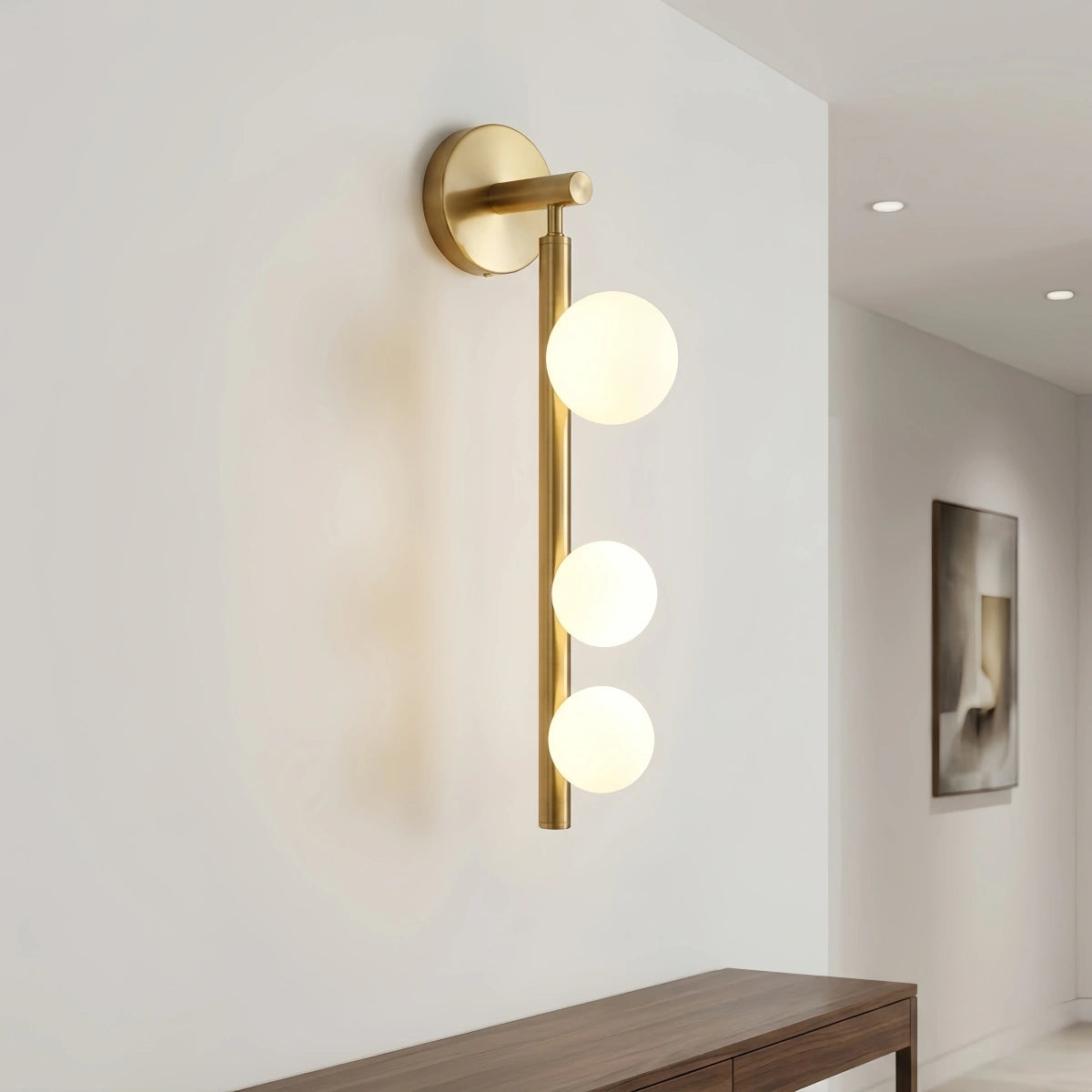
You can make your space shine by following a simple guide for wall lighting. Start by thinking about safety, as proper grounding and moisture protection keep your home secure. Many people find wiring tricky, especially when combining lights and outlets in indoor or outdoor areas. Good planning helps you balance style and function, so your lighting looks great and works well. New trends like smart controls and eco-friendly fixtures make your choices even better.
Key Takeaways
Understand the difference between indoor and outdoor wall lighting to enhance safety and aesthetics in your home.
Embrace modern trends like smart technology and energy-efficient fixtures to save money and improve convenience.
Follow the 5-7 lighting rule for even illumination, ensuring safety and comfort in your spaces.
Choose sustainable and minimalist designs to reduce your environmental impact while maintaining style.
Regular maintenance and cleaning of fixtures extend their lifespan and keep your lighting looking its best.
Wall Lighting Guide 2026
Indoor vs. Outdoor Lighting
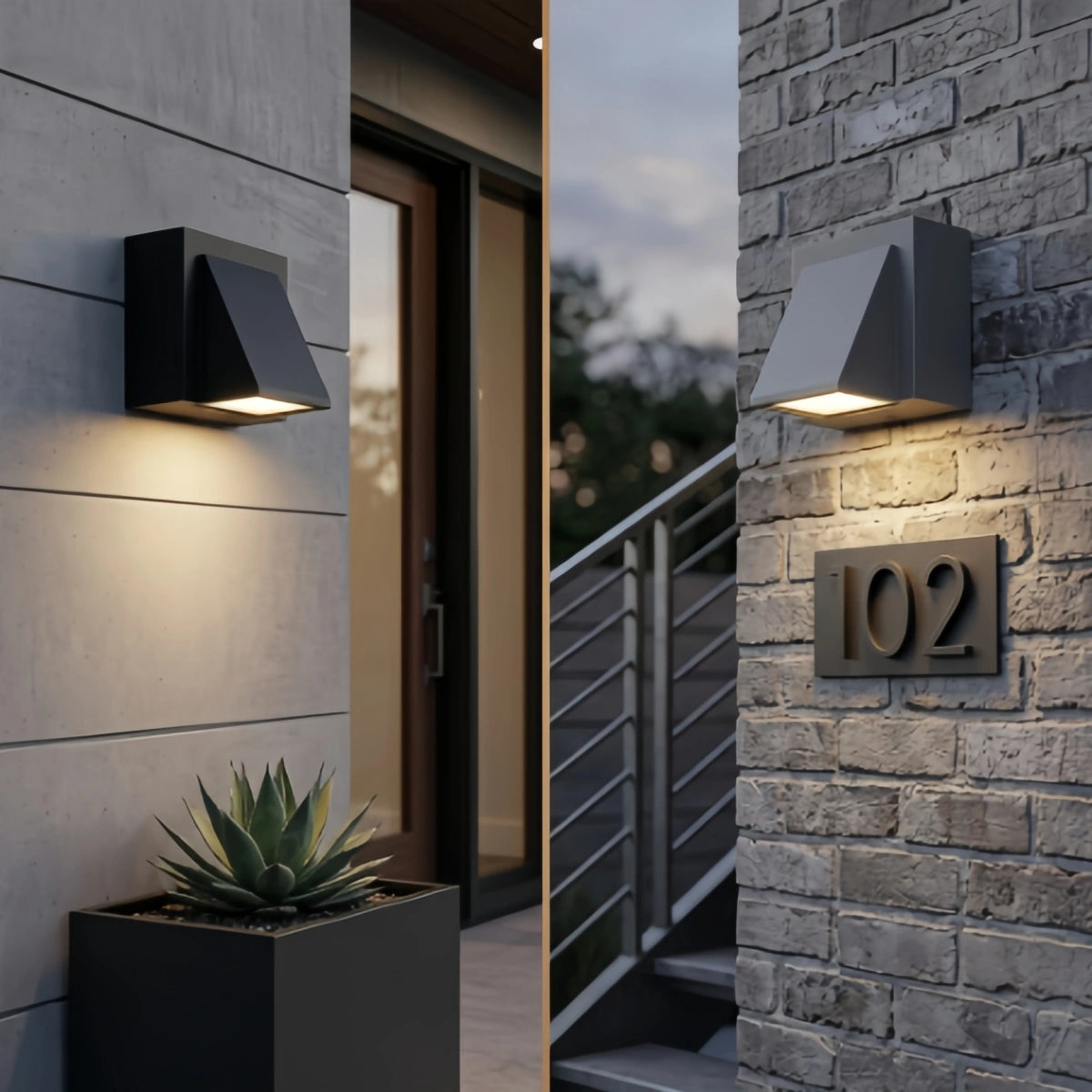
You need to understand the differences between indoor wall lights and outdoor wall lights before you start your project. Indoor wall lights focus on creating a comfortable atmosphere and highlighting features inside your home. Outdoor wall lights protect your property and improve visibility at night. You can choose from many types of fixtures for outdoor spaces, such as sconces, flood lights, and lanterns. Each fixture serves a unique purpose, like providing ambient lighting or boosting security.
Outdoor fixtures should match the size of your entrance or wall space. You place them strategically to increase safety and visibility.
The design of outdoor wall lights should complement your home's architecture. You can select modern or traditional styles to suit your taste.
You have several bulb options, including LED and incandescent. LED bulbs save energy and last longer.
Outdoor wall lights help deter intruders and add beauty to your exterior.
Indoor wall lights offer more flexibility in style and placement. You can use them to highlight artwork, create cozy reading nooks, or add drama to hallways. You select fixtures based on the room's purpose and your design preferences. Indoor wall lights often use softer bulbs to create a relaxing mood.
This lighting guide helps you choose the right fixtures for both indoor and outdoor spaces. You can follow the guide to make your home safer and more attractive.
Modern Lighting Trends
You see exciting trends in wall lighting for 2026. Designers combine retro shapes with modern technology, blending mid-century styles with LED innovation. Gallery-inspired installations let you create curated displays that mix art and light. You can use layered lighting strategies to enhance the atmosphere. Multiple light sources add depth and warmth to your rooms. Wellness-focused lighting supports your natural circadian rhythms, helping you feel better throughout the day.
Sustainable and Minimalist Designs
You can embrace sustainability and minimalism in your wall lighting choices. Many fixtures use eco-friendly materials and energy-efficient bulbs. Designers focus on natural and textured materials, such as travertine and rattan, to add warmth and depth. Minimalist designs use clean lines and neutral tones to create a modern look.
Material |
Description |
|---|---|
Anodized Aluminum |
Lightweight and durable, ideal for modern aesthetics. |
Matte Steel |
Offers a sleek finish that complements various interior styles. |
Powder-Coated Metal |
Available in neutral tones, enhancing integration into contemporary designs without distraction. |
You can select sustainable wall lights that use LED technology and recycled materials. These choices help you reduce your environmental impact. Minimalist fixtures fit seamlessly into your space, making your home feel calm and uncluttered.
You can follow this lighting guide to stay updated with the latest trends. You make informed decisions about indoor wall lights and outdoor wall lights, ensuring your home looks stylish and functions efficiently.
Choosing Wall Lighting Fixtures
Style and Statement Pieces
You can transform your bedroom or living space by selecting modern wall lights that serve as statement accent sconce fixtures. These pieces often become the focal point of a room, replacing traditional art and drawing attention with their unique shapes. Organic and biomorphic designs connect your space to nature, while geometric and angular fixtures add a contemporary touch. You find that statement lighting acts as a conversation starter and enhances the overall design concept. The best wall lights harmonize with other decor elements, creating a sense of wonder and artistic expression.
LED wall sconce lights enhance depth and highlight architectural features.
Swing arm wall sconces are best for refined vertical presence and provide adjustable lighting in the bedroom.
Statement accent sconce fixtures are best for character-first interiors, offering indoor-outdoor versatility.
Functionality and Energy Efficiency
You should consider functionality when choosing the best wall lights for your home. Modern wall lights offer energy-efficient solutions that help you save money and reduce environmental impact. LED wall fixtures consume a fraction of the energy compared to incandescent or halogen bulbs. You benefit from superior light quality, long lifespan, and tunable white capability.
Feature |
LED Wall Fixtures |
|---|---|
Energy Consumption |
Consumes less energy |
Light Quality |
High-CRI LEDs |
Lifespan |
25,000 to 50,000 hours |
Design Flexibility |
Greater design flexibility |
Maintenance Costs |
Reduced due to long lifespan |
Motion sensors and photocells further improve energy savings by automatically adjusting lighting based on occupancy and natural light. Adjustable heads direct light where needed, minimizing waste. You find that modern wall lights are both functional and stylish.
Safety and Smart Features
You can elevate your home's functionality by choosing wall lights with built-in smart technology. Upgrading to smart systems allows you to enjoy convenience, enhance security, and achieve significant energy savings without rewiring your home. You can easily adjust color temperatures and brightness levels directly from your smartphone to suit any occasion.
App-Controlled Systems: Adjust brightness, set scenes, and manage schedules remotely to fit your lifestyle. Voice Control: Manage lighting hands-free with simple commands, which is especially useful in functional spaces like hallways. Automation and Geofencing: Activate lighting automatically as you approach home, or simulate occupancy while you are away to deter intruders. Wellness and Longevity: Sync lighting with your daily routine to support natural sleep cycles while extending the lifespan of your fixtures by reducing unnecessary switching.
By integrating these smart upgrades, your wall lighting becomes a versatile tool that enhances both indoor comfort and outdoor security.
Planning Lighting Placement
Room and Outdoor Zones
You need to plan your lighting placement based on the function of each space. In living rooms and bedrooms, wall sconces can highlight artwork or create cozy reading corners. In hallways, you use lighting to guide movement and prevent dark spots. Outdoor zones require a different approach. The main goal is to enhance safety and accessibility after dark. You place fixtures near entrances, walkways, and patios to improve visibility and security.
Place sconces at eye level to minimize glare and create an inviting glow.
Choose materials like metal, glass, wood, or ceramic to match the character of your space.
Select finishes that complement your décor, such as polished brass for vintage looks or matte black for modern styles.
Proper spacing of sconces ensures even illumination and eliminates dark areas. Thoughtful placement also helps your design feel intentional and cohesive. You can use wall lighting to highlight focal points, such as architectural features or garden elements.
Height and Spacing Guidelines (The 5-7 Rule)
You should follow clear guidelines for the placement of wall lighting fixtures to achieve balanced, continuous illumination. Aligning with standards from the Illuminating Engineering Society (IES), the recommended center height for wall sconces is 60 to 65 inches above the finished floor, which creates a comfortable atmosphere. For taller hallways or grand spaces, you can raise this to 68 to 72 inches to match the room's scale. "Lighting the walls effectively makes any space feel twice as large," is a common consensus among architectural lighting designers. When determining the distance between fixtures, the 5-7 lighting rule provides a reliable standard: space your wall sconces 5 to 7 feet apart. This prevents overlighting and wasting energy, while also eliminating shadows and dark spots.
Adjust height based on function: Lower placements create a more intimate feel, while higher placements suit larger or formal spaces. Eliminate dark spots: Spacing fixtures 5 to 7 feet apart ensures smooth light distribution along hallways and outdoor walls. Prevent visual discomfort: Proper spacing reduces glare and avoids the excessive brightness caused by placing lights too close together.
Tip: Always test your lighting placement with temporary fixtures or tape before final installation. This step helps you visualize the effect and make adjustments as needed.
Exterior Lighting Installation Guide
DIY vs. Professional Installation
Many outdoor lighting projects are simple, especially if you choose solar-powered or plug-in fixtures. You can easily handle mounting these on your own to save time and money. However, safety matters most. For any project that involves hardwiring a fixture into your home's electrical system, you should call a licensed electrician. Proper professional installation ensures your exterior lighting is correctly waterproofed, meets local codes, and operates safely for years.
Tip: Always check local building codes before starting any exterior modification.
Installation Methods: What to Expect
Knowing how your outdoor-rated wall lighting fixtures are installed helps you plan better, whether you are doing it yourself or hiring a pro.
Option A: DIY-Friendly Install (Solar & Plug-in)
If you selected a cordless or plug-in fixture, you can easily complete the setup with basic hand tools:
Plan your layout: Mark the exact placement on your wall. Ensure solar models get adequate daylight, or that plug-in models can safely reach an outdoor-rated GFCI outlet.
Install the bracket: Drill pilot holes and use the provided mounting hardware to secure the bracket to your exterior wall.
Attach and test: Secure the fixture to the mounting bracket, turn it on, and adjust the angle if necessary.
Option B: Hardwired Installation (Professional Process)
If you chose a hardwired fixture, your electrician will handle the technical work. Here is the standard procedure they will follow to ensure a safe installation:
Safety first: They will turn off the power at the main breaker box before handling any wires.
Weatherproof prep: They will install or inspect a weatherproof junction box at the mounting location.
Secure connections: They will strip the wires and connect them securely using wire nuts and electrical tape, ensuring proper grounding.
Mounting and sealing: After attaching the fixture, they will apply a bead of silicone caulk around the backplate to lock out moisture.
System test: Finally, they will restore the power and verify that the fixture operates correctly.
Many people make mistakes during the planning and installation phases. The table below shows common errors and how they affect outdoor lighting:
Mistake Type |
Description |
|---|---|
Poor Planning |
Failing to select fixtures based on function, leading to inappropriate lighting styles. |
Improper Placement and Spacing |
Lights placed too close or too far apart can create glare or unsafe dark areas. |
Overlooking Weather Resistance |
Using indoor-rated materials outdoors can lead to damage from weather conditions. |
DIY Electrical Mistakes |
Improper wiring can cause safety hazards and performance issues. |
Neglecting Energy Efficiency |
Choosing outdated bulbs can increase utility costs over time. |
Failing to Consider Maintenance |
Aesthetic-focused installations can make maintenance difficult. |
Not Thinking Beyond Holidays |
Limiting designs to holiday aesthetics reduces long-term value and versatility. |
You can avoid these problems by planning carefully and using the right materials. Proper exterior lighting makes your outdoor space safer, more beautiful, and energy efficient.
Wall Lighting Maintenance & Upgrades
Cleaning and Care Tips
You keep your wall lighting looking its best by following a regular cleaning routine. Dust and dirt can build up on fixtures, making them look dull and reducing their brightness. Use a soft, damp cloth and mild detergent to clean each fixture. Always turn off the lights and let them cool before you start cleaning. Most fixtures need cleaning every three to six months, but you may need to clean more often in areas with high dust or traffic. When you clean, check for loose bulbs or wiring. Replace burnt-out bulbs right away to maintain optimal performance. Make sure your fixtures match the type of bulb you use. Cleaning also gives you a chance to inspect for loose connections or failing components. Regular maintenance helps your fixtures last longer and keeps your lighting professional.
Tip: Use cleaning time to check landscape lighting fixtures outside. Dirt and debris can block light and reduce safety.
Troubleshooting Issues
You may face common problems with wall lighting fixtures. The table below shows frequent issues and how you can fix them:
Common Issue |
Solution |
|---|---|
Burned-Out Bulbs |
Replace bulbs as soon as they fail. |
Flickering Lights |
Tighten connections and make sure bulbs sit securely. |
Issues with Timers |
Reset timers and replace backup batteries if needed. |
Dirty Photocells |
Clean photocells with a damp cloth to remove dust. |
Obstructed Motion Sensors |
Remove obstructions and adjust sensitivity settings. |
You solve most problems with simple steps. If you notice flickering or dim lighting, check the connections and bulbs first. For landscape lighting, clean sensors and photocells regularly to keep your fixtures working well.
Wall Lighting Inspiration
Design Ideas for Indoors
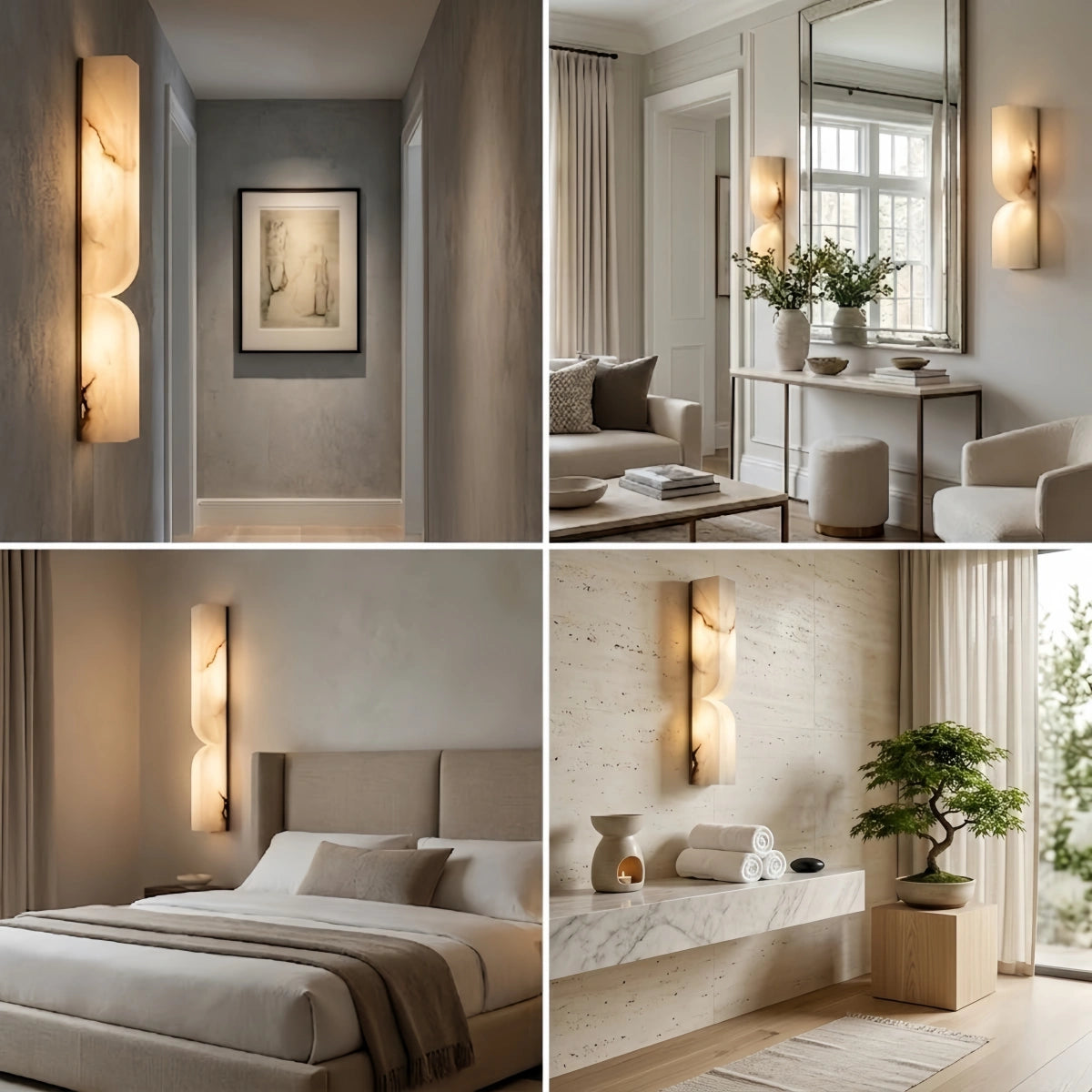
You can transform your home with wall lighting that follows the latest trends for 2026. Many people choose minimalist wall lighting designs. These use slim LED fixtures that are less than an inch deep. You get strong light without bulky hardware. Sculptural wall lighting brings art into your space. You see bold shapes inspired by nature or geometry. These pieces work as both light and decoration. Sustainable options use LED technology. You save energy and enjoy high-quality light. Tunable white LEDs let you adjust the mood for any time of day.
Minimalist wall lighting designs fit small spaces and modern rooms.
Sculptural wall lighting adds personality to bedrooms and living rooms.
Sustainable options help you lower your energy bills.
Exterior Lighting Examples
You can use wall lights to make your outdoor areas safer and more beautiful. Place fixtures along your patio to create a welcoming glow for guests.Install wall-mounted lighting near doors and walkways to improve security. Many homeowners use landscape lighting to highlight trees, shrubs, and garden beds. You can choose fixtures that match your home’s style. For patios, select weatherproof sconces that resist rain and sun. Use exterior lighting selection tips to pick the right size and brightness for each area. Try solar-powered wall lights for energy savings. You can also use landscape lighting to mark steps and paths, making your yard safer at night.
Tip: Use exterior lighting selection tips to balance style, safety, and energy use in your landscape and patio.
Creative Uses and Before-After
You can get creative with wall lighting in both indoor and outdoor spaces. Try mounting fixtures at different heights to create layers of light. Use lighting for your walls to frame a patio entrance or highlight a special landscape feature. Many people see dramatic changes when they add wall sconces to a dark patio or garden. Before, the space feels empty and unsafe. After, the area looks warm, inviting, and full of life. You can use landscape lighting to show off water features or sculptures.Mix wall fixtures and landscape lighting for a custom look. Your patio becomes a favorite spot for relaxing or entertaining.
Before |
After |
|---|---|
Dark, unused patio |
Bright, welcoming gathering |
Hidden landscape |
Highlighted garden features |
Unsafe walkways |
Safe, well-lit paths |
You can use these ideas to inspire your next wall lighting project.
You can transform your home by following these steps for wall lighting. Select fixtures that match your style and needs. Plan placement for balanced light indoors and outdoors. Install with care, using safe materials and methods. Maintain your lights with regular cleaning and upgrades. Embrace 2026 trends like smart controls and sustainable designs.
Use this guide to create spaces that feel safe, stylish, and energy-efficient. Your confidence will grow as you see the results.
FAQ
How do you choose the right wall lighting for each room?
You should match the fixture style to your room’s purpose. Use bright, adjustable lights for workspaces. Pick softer, warmer lights for bedrooms or living rooms. Always consider the size of your wall and the mood you want to create.
Can you install wall lighting without hiring an electrician?
You can install plug-in or battery-powered wall lights yourself. For hardwired fixtures, you should hire a licensed electrician. This ensures safety and meets local building codes.
What is the best way to clean wall lighting fixtures?
Use a soft, damp cloth and mild soap. Avoid harsh chemicals. Clean glass and metal parts gently to prevent scratches. Check for loose bulbs or connections during cleaning.
Tip: Always turn off the power before cleaning any fixture.
How can you make outdoor wall lighting more energy efficient?
Choose LED fixtures for lower energy use.
Use motion sensors or timers.
Install solar-powered lights where possible.
These steps help you save energy and reduce costs.
Share:
10 Stunning Wall Sconce Lighting Ideas to Brighten Every Room
What to Consider When Buying LED Ceiling Lights for Your Space