
Image Source: LIGHTSLUX
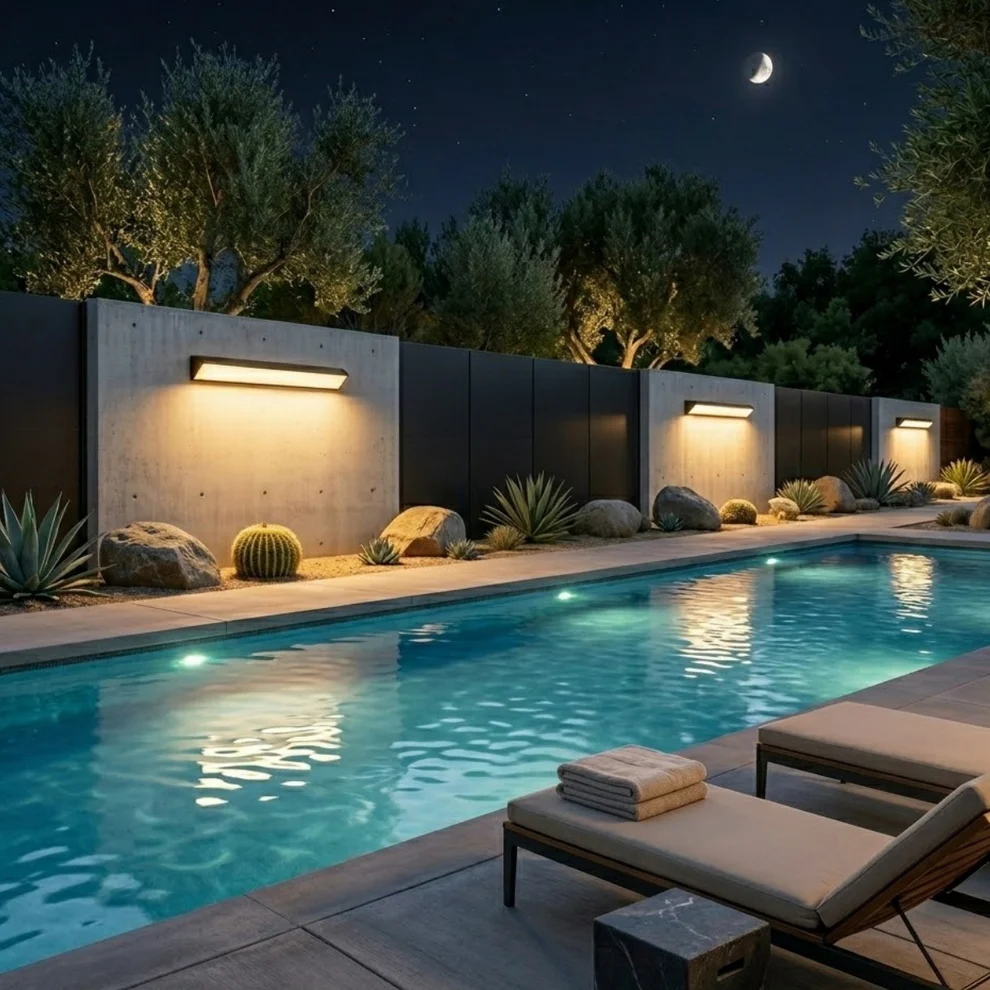
You want your garden to stand out and feel inviting after sunset. With the right landscape lighting ideas, you can transform any outdoor space into a modern sanctuary. Imagine walking along softly illuminated paths, or highlighting your favorite plants with creative fixtures. You can experiment with new technology, styles, and placements to reflect your personal taste. Let your garden become a nighttime masterpiece that impresses guests and provides comfort for you.
Key Takeaways
Modern garden lighting enhances beauty and safety, making outdoor spaces inviting and secure.
LED and solar lights offer energy efficiency, reducing electricity costs and environmental impact.
Pathway lighting guides visitors safely and highlights garden features, improving usability at night.
Moonlighting and uplighting create magical effects, adding depth and drama to your garden.
Smart controls and automation allow easy management of garden lights, enhancing convenience and security.
Why Modern Garden Lighting Matters
Aesthetic and Functional Benefits
You want your garden to look beautiful and feel safe at night. Modern landscape lighting does more than just brighten your yard. It transforms your property by highlighting unique features and making your home stand out in the neighborhood. When you install landscape lighting, you create a warm and inviting atmosphere that welcomes guests and family members.
Enhance curb appeal: Showcase the architectural beauty of your home to make it stand out in the neighborhood.
Improve safety and security: Illuminate walkways, steps, and entrances to deter intruders and prevent accidental falls.
Extend outdoor usability: Create a warm environment that allows you to enjoy your patio or garden long after dark.
Highlight landscape features: Draw attention to your favorite trees, plants, and hardscape elements.
Increase property value: Make your home significantly more attractive to potential future buyers.
You also reduce the risk of accidents by lighting up steps and paths. Good outdoor lighting deters unwanted visitors and helps you feel more secure. When you choose the right landscape lighting ideas, you create a space that feels both elegant and practical.
Tip: Use a mix of uplighting and path lights to showcase your favorite plants and guide visitors safely through your garden.
Enhancing Outdoor Living
A well-lit outdoor living space lets you enjoy your garden long after the sun goes down. You can host gatherings, relax with family, or simply unwind in a cozy corner. Modern outdoor lighting gives you the flexibility to set the mood for any occasion.
Warmer lights create a welcoming space for dining or conversation
Cooler lights highlight trees and walls, adding depth and visual interest
Different lighting styles help you avoid light pollution and maintain a natural look
Designers recommend using a blend of warm and cool color temperatures to enhance the hues of your plants and trees. By layering different types of lighting, you add dimension and intrigue to your garden. With thoughtful landscape lighting, you turn your outdoor area into a true extension of your home.
1. Pathway Lighting Ideas for Modern Gardens
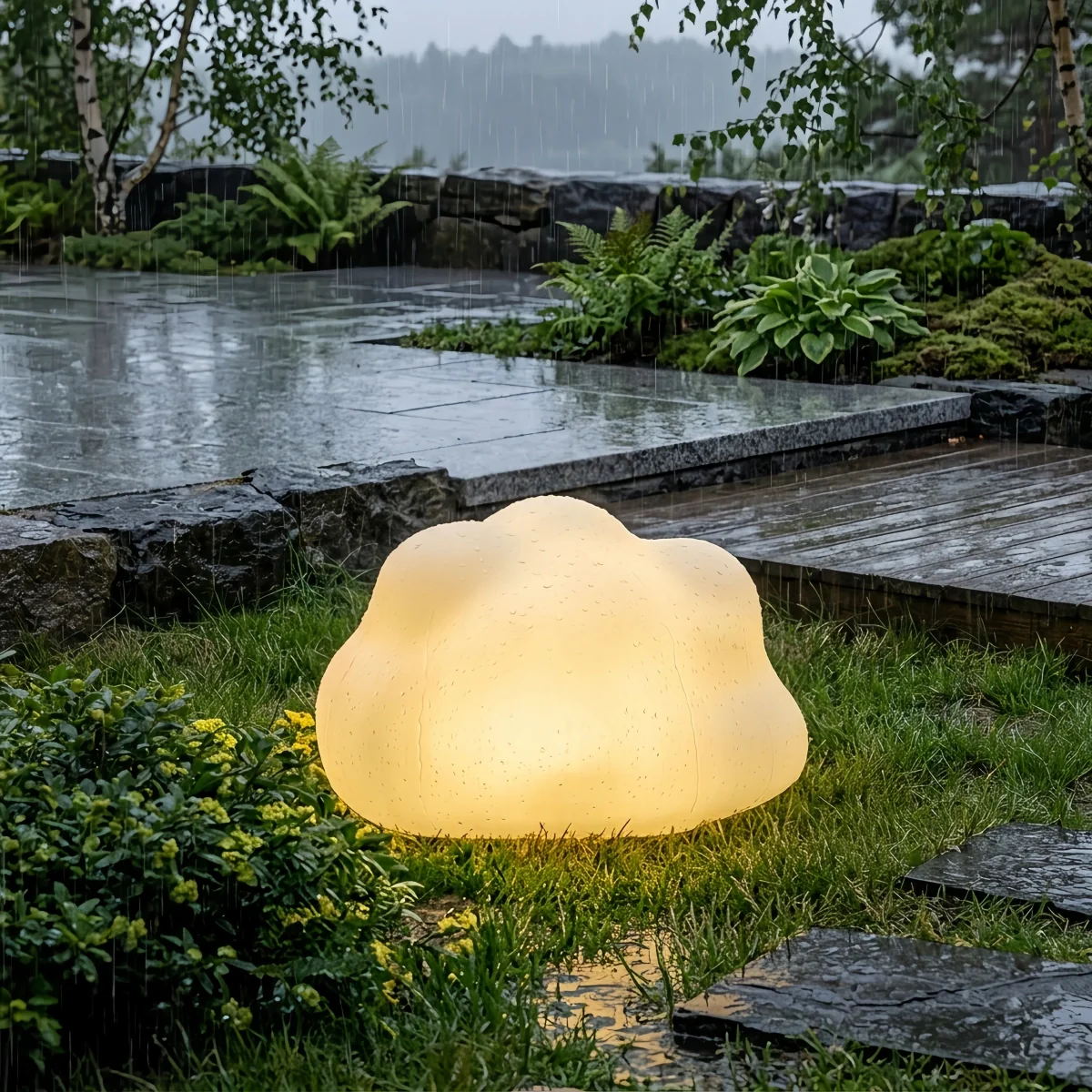
Image Source: LIGHTSLUX
Pathway lighting shapes the experience of your garden after sunset. You guide visitors safely, highlight the beauty of your landscape, and create a welcoming atmosphere. Well-designed pathway lights prevent trips and falls, secure entry points, and enhance visibility for family and guests. You can choose from a variety of landscape lighting ideas to match your modern garden style.
LED Path Lights
LED path lights offer energy efficiency and easy installation. You do not need professional help to set them up. These lights consume less energy than traditional options, lowering your electricity costs. You find LED path lights in many designs and color temperatures, so you can match your garden’s aesthetic. Warm color temperatures between 2700K and 3000K create a cozy glow. Low-glare LED bollards provide foundational illumination for safe navigation. You stagger path lights on alternating sides of the walkway for an organic look. Low-profile fixtures spaced 6–8 feet apart cast light downwards and outwards, reducing glare and highlighting your garden’s features.
Tip: Choose fixtures that direct light downward to avoid harsh glare and maintain a natural ambiance.
LED path lights help reduce your carbon footprint.
You enhance the visual appeal of your garden pathways.
You improve safety and security for everyone.
Design tip: To make your backyard both usable and relaxing at night, design experts from The Spruce recommend brightening curved garden paths around the periphery of your yard using a combination of ground-level uplights and overhead string lights. This layered approach creates a truly inviting atmosphere.
Solar Pathway Options
Solar pathway lights deliver high energy efficiency and cost savings. You benefit from adjustable brightness and automatic sensors that turn lights on at dusk. Solar LED path lights require no wiring, making installation simple. You enjoy lower long-term costs because you do not pay electricity bills. These lights create a welcoming atmosphere without overpowering your garden.
Lighting Type |
Energy Efficiency |
Performance Characteristics |
Cost-Effectiveness |
Solar LED Path Lights |
High |
Adjustable brightness, automatic light sensors |
Lower long-term costs due to no electricity bills |
Traditional Electric Lights |
Moderate |
Consistent illumination, often brighter |
Higher ongoing electricity costs |
Incandescent Path Lights |
Low |
Warm glow, but inefficient and short lifespan |
Frequent replacements increase costs |
You achieve safe navigation and a beautiful look with solar pathway options. You secure your garden and highlight its modern design with the right landscape lighting.
2. Moonlighting and Tree Uplighting
Moonlighting Techniques
You can create a magical nighttime atmosphere in your garden with moonlighting. This technique uses fixtures placed high in trees or on architectural elements to cast a gentle, downward glow. The light filters through branches and leaves, mimicking the soft radiance of a full moon. You achieve a serene and natural effect that highlights the textures and shapes of your landscape without harsh glare.
Tip: Conceal fixtures within the canopy to keep the source hidden. This approach makes the light appear as if it comes from the sky, not from artificial sources.
Moonlighting works well in modern gardens where you want to enhance beauty without overwhelming the space. You can use this method to illuminate patios, seating areas, or winding paths. The dappled patterns on the ground add visual interest and invite guests to explore your outdoor space.
Popular moonlighting and tree lighting techniques include:
Downlighting: Place lights in tree branches to direct light downward.
Moonlighting: Position fixtures high in trees for a natural, moonlit ambiance.
Shadowing: Cast soft shadows on surfaces by placing lights in front of trees.
Silhouetting: Create dramatic outlines by lighting trees from behind.
Grazing: Highlight bark texture with lights close to the trunk.
Dramatic Tree Uplighting
You can add depth and drama to your garden with tree uplighting. This method involves placing fixtures at the base of trees and angling them upward. The result is a striking display that emphasizes the structure and height of your trees.
For the best effect, follow these creative landscape lighting tips:
Position fixtures to highlight the full shape of the tree without creating harsh hotspots.
Use narrow beams for tall, slender trees and wide beams for bushy shrubs.
Select warm white light for a cozy feel or cooler tones for a modern look.
You can experiment with different techniques:
Silhouetting works well for sculptural trees.
Grazing brings out the texture of rough bark.
Highlighting with spotlights draws attention to symmetrical trees.
Note: Avoid overlighting, mismatched color temperatures, or poor fixture placement. These mistakes can disrupt the harmony of your landscape lighting design.
When you combine moonlighting and uplighting, you create a layered effect that transforms your garden into a showcase of modern style. These landscape lighting ideas help you achieve a unique and inviting outdoor environment.
3. Silhouette and Shadow Lighting Ideas
Silhouette Effects for Features
You can use silhouette lighting to transform garden sculptures, fountains, or unique plants into captivating nighttime focal points. By placing lights behind these features, you create dramatic outlines that draw attention to their shapes and textures. Backlighting adds mystery and intrigue, making your garden feel more dynamic after sunset. You accentuate the beauty of modern garden elements with simple yet effective techniques.
Backlighting creates striking silhouettes by positioning lights behind sculptures or plants.
Silhouetting highlights unique shapes and forms, especially for objects with interesting contours.
Placing lights behind garden features enhances visual intrigue and showcases details, such as hanging plants.
Tip: Experiment with different angles and distances to achieve the most compelling silhouette effect. You can use low-voltage fixtures for subtle illumination that does not overpower the scene.
Silhouette lighting works well with landscape lighting ideas that focus on minimalism and clean lines. You elevate the atmosphere of your garden by emphasizing the artistry of your outdoor features.
Shadow Play with Plants
Shadow lighting lets you highlight planting arrangements and add depth to your garden. You can use creative techniques to cast larger-than-life shadows onto walls, fences, or patios. Sidelighting and spotlighting help you reveal intricate textures and patterns in foliage. You balance light and shadow to bring character to your outdoor space.
Backlighting produces bold silhouettes and enhances the mystery of your garden.
Sidelighting casts dramatic shadows and highlights the textures of leaves and stems.
Spotlighting draws attention to specific plants or garden fixtures, creating focal points.
You achieve a layered effect by combining shadow play with other landscape lighting methods. Proper use of shadowing adds dimension and visual interest, making your garden feel more immersive. You can highlight planting beds and create a sense of movement as shadows shift throughout the evening.
Note: Adjust the intensity and placement of your lights to avoid harsh contrasts. You want a harmonious balance that complements your garden’s modern design.
4. Water Feature Illumination
Pond and Fountain Lighting
You can elevate your garden’s atmosphere by illuminating ponds and fountains. Underwater lights transform ordinary water features into mesmerizing focal points. These lights add depth and movement, creating a magical effect in your yard after sunset. When you install underwater lighting in fountains, you highlight the texture and motion of flowing water. The dynamic displays seem to dance as the water moves, captivating anyone who visits your garden. In ponds, underwater lighting reveals the graceful movements of fish and the delicate shapes of aquatic plants. You also create shimmering patterns on nearby structures, enhancing the overall visual appeal.
Underwater lights can deter predators from fish populations.
They help you monitor the health of your aquatic ecosystem after dark.
Many lighting options integrate with smart home systems for cohesive control.
You gain both aesthetic and practical benefits when you choose the right landscape lighting for water features. You ensure your garden remains beautiful and functional throughout the evening.
Submersible and Floating Lights
Submersible lights offer a unique way to highlight the beauty of water features. You place these fixtures beneath the surface to create glowing effects that enhance the clarity and color of the water. Floating lights add another layer of interest. You can use them to create gentle illumination across ponds or pools. Many floating fountains feature built-in lighting elements that illuminate the water's movement. Whether displaying simple sprays or complex architectural arcs, these integrated lights add a captivating layer of visual interest and elevate the overall aesthetic.
You can experiment with different colors and patterns to personalize your garden. Submersible and floating lights work well with modern landscape lighting designs. You achieve a vibrant, inviting outdoor space that stands out in any neighborhood.
5. Architectural Wall Washing
Modern Wall Wash Techniques
You can transform your garden’s vertical surfaces with modern wall wash techniques. These methods use directional lighting to create a soft, even glow across walls, fences, or architectural features. When you install fixtures a few feet from the wall, you eliminate harsh shadows and highlight the clean lines of your modern garden. Wall washing works best on smooth surfaces, such as stucco or painted concrete, where you want to showcase color and form.
If you want to emphasize texture, wall grazing offers a powerful solution. By placing lights within 12 inches of a textured wall, you create dramatic shadows that reveal every detail. Stone, brick, or wood surfaces become focal points at night. The interplay of light and shadow adds depth and character to your outdoor space.
Tip: Use wall grazing on surfaces with pronounced textures. You will see the wall’s details come alive after dark.
Wall grazing emphasizes wall textures by creating shadows.
It is best used on textured surfaces like brick or stone.
The technique involves placing lights close to the wall to enhance visual depth.
Highlighting Textures and Backdrops
You can use several lighting techniques to highlight architectural textures and backdrops in your garden. Each method creates a unique effect and draws attention to different features.
Technique |
Description |
Best Features to Highlight |
Effect |
Uplighting |
Directs light upward to emphasize vertical elements. |
Tall trees, columns, stone, brick |
Adds grandeur and highlights height and texture. |
Grazing |
Places fixtures close to walls to reveal intricate textures. |
Stone, brick, siding |
Creates dramatic shadows and reveals hidden details. |
Cross-lighting |
Uses two lights at opposite angles to reduce harsh shadows. |
Statues, water features, textured walls |
Brings out depth and offers a balanced view of features. |
You can combine these techniques to create a layered look. For example, uplighting at the base of a stone wall makes your home appear grander and accentuates architectural features. Grazing reveals details that remain invisible during the day. Cross-lighting balances the scene and prevents deep shadows, ensuring every texture stands out.
Note: Experiment with fixture placement and beam angles. You will discover the perfect combination to showcase your garden’s modern design.
6. Step and Hardscape Lighting
Integrated Step Lights
You can transform your garden steps into safe and stylish features with integrated step lights. These fixtures illuminate each step, reducing the risk of trips and falls, especially in uneven areas. You create a visually appealing ambiance that enhances the overall design of your hardscape. Riser lights, placed on the vertical face of each step, highlight the edges without causing glare. Outdoor stair lights installed along stairs or directly in deck steps improve safety when you navigate your garden at night.
Integrated step lights illuminate steps and pathways, helping you prevent accidents.
Riser lights highlight the edges of garden steps, providing clear visibility.
Outdoor stair lights make nighttime navigation easier and safer.
Tip: Choose low-profile fixtures that blend seamlessly with your hardscape. You maintain a modern look while ensuring every step stands out.
Hardscape Accent Lighting
You can elevate your garden’s architectural features with hardscape accent lighting. Minimalist designs focus on fewer lights with strategic positioning, improving visibility and highlighting textures and paths. Linear lighting elements, such as under-cap lights for retaining walls or under-rail lights for decks, complement modern architecture and provide functional illumination. Layering ambient, task, and accent lighting creates depth and mood, making your outdoor space feel inviting.
Minimalist designs use fewer lights for a clean, modern appearance.
Linear lighting integrates under retaining walls or benches, aligning with contemporary styles.
Layering light adds dimension and enhances the mood of your garden.
Smart technology lets you control color and intensity with apps, offering convenience and versatility.
In 2026, customizable LED technology allows you to select colors, adjust intensity, and automate schedules. Smart home integration makes outdoor lighting more interconnected. You can set lighting based on time, activity, or ambient conditions, enhancing both aesthetics and functionality.
Lighting Feature |
Benefit |
Modern Trend |
Linear Elements |
Functional illumination |
Under-cap, under-rail lights |
Minimalist Designs |
Improved visibility, clean look |
Fewer, strategically placed |
Smart Controls |
Convenience, versatility |
App-based color adjustment |
You achieve a harmonious balance between safety and style by combining integrated step lights and hardscape accent lighting. Your garden becomes a showcase of modern design and practical innovation.
7. Garden Bed and Accent Lighting Ideas
Plant and Flower Illumination
You can transform your garden beds by illuminating plants and flowers with purpose. When you use lighting as a finishing touch, you accentuate the beauty of your landscaping and make your outdoor space more inviting after dark. Strategic lighting in vertical gardens can spotlight plantings, bringing out their colors and textures even at night.
Place low-voltage spotlights at the base of tall grasses or flowering shrubs to highlight planting arrangements.
Use adjustable LED fixtures to direct light onto your favorite blooms, creating a layered effect.
Install ground-level uplights to draw attention to unique foliage or seasonal displays.
Tip: Soft, subtle lighting creates a sheltering nook for family and friends, making your garden beds feel cozy and welcoming.
Creative Accent Lighting
You can use creative garden lighting ideas to turn ordinary garden beds into nighttime focal points. Floating garden beds with thoughtfully installed LED lighting become dynamic displays, especially when you arrange plants at staggered heights. Curved garden paths lined with a mix of ground-level uplights and overhead string lights ensure your backyard remains usable and relaxing after sunset.
To elevate your garden beds further, consider incorporating these expert-approved accent lighting techniques:
Idea Description |
Source |
Finish a floating garden bed with thoughtfully installed LED lighting to turn it into a focal point. This organically shaped garden bed features a variety of plants at staggered heights to create a dynamic display. |
The Spruce |
Place micro-spotlights at the base of decorative garden orbs, large rocks, or sculptures nestled within flower beds to create contrasting textures against soft plant life. |
Landscape Architecture Magazine |
Layered lighting plans add depth and dimension to your garden beds. Customizable LED technology lets you adjust colors, intensity, and schedules for a sophisticated look. Accent lighting can also highlight sculptures, water features, or flower beds, helping you create a personalized and modern garden.
Note: Integrated lighting in steps, decks, and retaining walls ensures safe navigation and enhances the overall design of your landscape.
8. Statement and String Lighting for Modern Gardens
Pendant and String Lights
You can elevate your garden’s ambiance by incorporating pendant and string lights. Pendant lights create a bold statement in outdoor seating areas, offering both nighttime usability and daytime decor. String lights provide overhead illumination, enhancing the romantic atmosphere of entertainment spaces. Designers often use clusters of pendant lights to define backyard lounges, while string lights brighten curved paths and cozy nooks.
Consider pairing sustainable xeriscaping with modern lighting. Place a statement light at ground level to highlight drought-tolerant plants. Layer lighting by combining easy lights on overhead structures, low-intensity downlights, and hanging lanterns. This approach brings warmth and visual interest to your garden.
Idea Description |
Source |
Pair sustainable xeriscaping with modern lighting, using a statement light at ground level to highlight drought-tolerant plants. |
The Spruce |
Layer lighting with easy lights on overhead structures, low-intensity downlights, and hanging lanterns for warmth and ambience. |
Gardening Know How |
Use a cluster of pendant lights in the backyard seating area for nighttime usability and daytime decor. |
The Spruce |
Tip: Choose weather-resistant fixtures and LED bulbs for durability and energy efficiency. You can customize the color and intensity to match your garden’s mood.
Creating Focal Points
You can use pendant and string lights to create focal points that draw attention to key features in your landscape. Ambient lighting enhances the visual appeal of dining areas and lounging spaces. Strategic placement highlights sculptures, large trees, or architectural elements, making them stand out.
Pendant and string lights provide ambient lighting that enhances specific garden features.
They illuminate dining and lounging spaces, creating magical focal points.
Strategic placement highlights sculptures or trees, making them prominent.
String lights define spaces and create cozy nooks within larger outdoor environments.
Illuminating focal points at opposite ends of your yard creates a long sightline, making a small yard appear larger.
Best practices for creating focal points include installing fixtures 1–3 feet away from walls to avoid glare. Angle lights to highlight textures without creating bright spots. Space fixtures evenly for consistent illumination.
Lighting Technique |
Recommended Fixture Type |
Key Benefits |
Uplighting |
Accent Lights, Well Lights |
Creates dramatic focal points, highlights texture and height. |
Downlighting |
Accent Lights (mounted high) |
Produces a natural, moonlit effect; provides soft, ambient light. |
Wall Washing |
Wall Wash Lights |
Adds depth and dimension; highlights attractive vertical surfaces. |
Path Lighting |
Path Lights, Step Lights |
Ensures safe navigation; creates a welcoming and organized look. |
You can combine these techniques with creative garden lighting ideas to personalize your outdoor space and enhance its modern appeal.
9. Outdoor Dining and Entertainment Zone Illumination
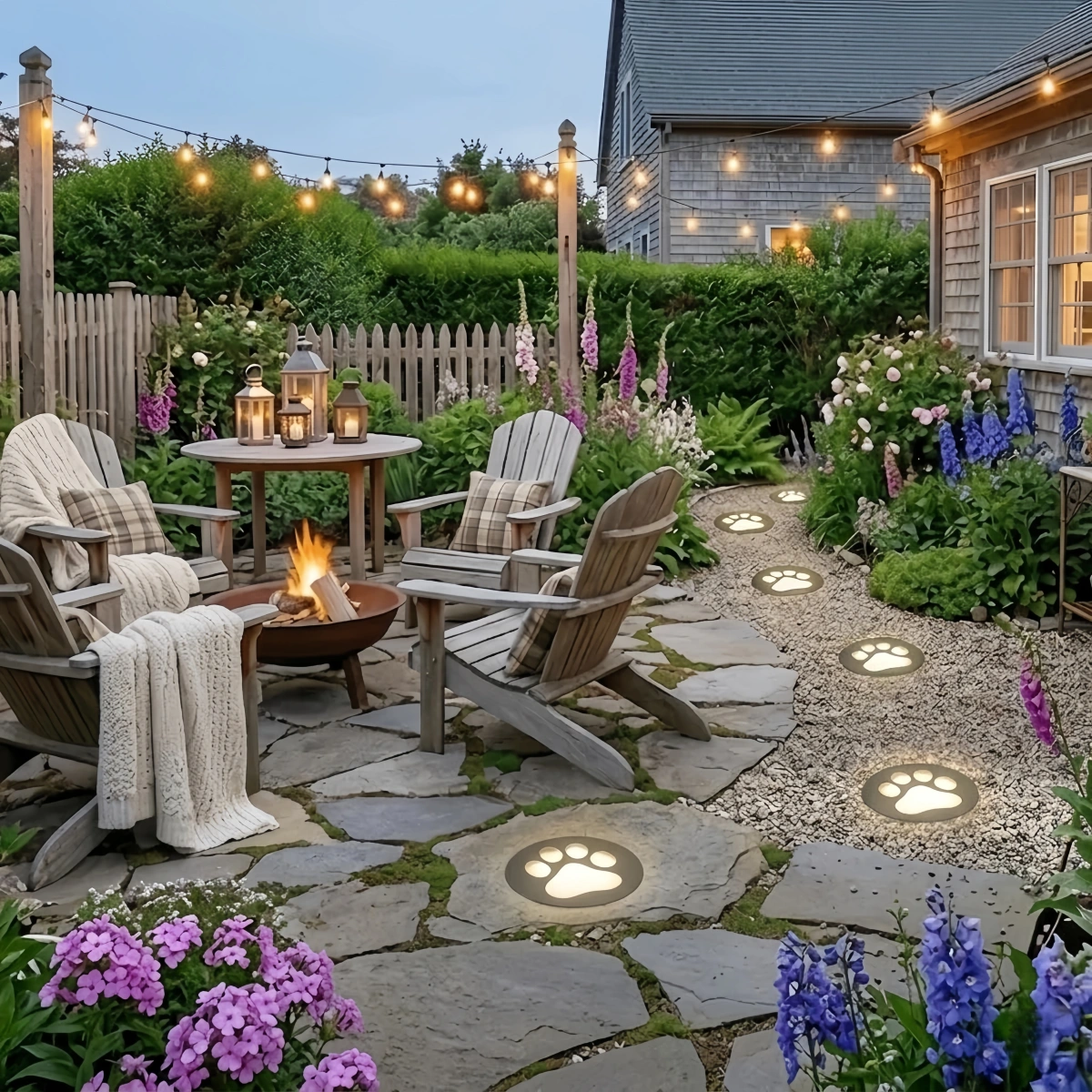
Image Source: LIGHTSLUX
Task Lighting for Grills and Prep Areas
You need functional and safe illumination when cooking or preparing drinks outside. Task lighting ensures clear visibility around your outdoor kitchen, grill station, or bar counter without blinding your guests. By installing focused lighting in these active zones, you can comfortably host dinners and prepare food long after the sun goes down. In 2026, heat-resistant and high-CRI (Color Rendering Index) LED fixtures are standard for outdoor kitchens, allowing you to see the true color of the food you are cooking.
Under-counter LED strips provide glare-free visibility for food prep and drink stations.
Flexible or articulated task lights allow you to direct the beam exactly where you need it over the grill.
High-CRI bulbs help you accurately judge when meat is fully cooked or when ingredients are perfectly chopped.
Tip: Mount task lights slightly above and in front of your prep areas to prevent your own body from casting frustrating shadows over your workspace.
Ambient Glow for Seating and Fire Pits
You want your outdoor seating and fire pit areas to feel cozy and inviting. While a fire pit provides a natural focal point, relying on it as your only light source can create a "black hole" effect in the surrounding darkness. You can eliminate this by adding low-level ambient lighting around the perimeter of your lounge area. Soft well lights behind seating walls or under-bench illumination create a relaxed, sheltering mood.
Under-bench lighting casts a subtle glow on the ground, defining the seating area safely.
Soft perimeter lights ensure your guests can comfortably see each other's faces and navigate the space.
Dimmable fixtures give you the flexibility to lower the lights when the fire is roaring and raise them when the fire dies down.
Note: Keep the color temperature warm (between 2200K and 2700K) around seating areas to perfectly complement the natural, amber glow of a fire pit or outdoor heater.
10.Smart and Eco-Friendly Landscape Lighting Ideas
Smart Controls and Automation
You can revolutionize your garden lighting with smart controls and automation. Today’s smart home technology lets you manage your outdoor lights from your smartphone or tablet. You can adjust brightness, color, and timing with a simple tap. This level of control helps you create the perfect mood for any occasion. You can set schedules for your lights to turn on at sunset and off at sunrise. You can also use motion sensors to illuminate pathways only when someone approaches, which saves energy and increases security.
Tip: Choose lighting systems that integrate with popular smart home platforms. This approach ensures seamless operation and future compatibility.
You can experiment with different lighting scenes for entertaining, relaxing, or highlighting specific garden features. Customizable LED technology allows you to tailor your lighting plan, enhancing both safety and visual appeal. Smart automation also reduces maintenance because you can monitor your system remotely and receive alerts if a fixture needs attention.
Solar and Energy-Efficient Options
You can embrace sustainability by choosing solar-powered and energy-efficient LED lighting. The latest solar lights offer improved battery life and brighter output. You do not need complex wiring, which makes installation easy for DIY enthusiasts. Solar fixtures charge during the day and automatically illuminate your garden at night. This technology reduces your electricity bills and supports environmental responsibility.
Lighting Type |
Installation |
Maintenance |
Energy Savings |
Solar LED Path Lights |
Easy |
Low |
High |
Wired LED Fixtures |
Moderate |
Low |
High |
You can combine ambient and accent lighting to create a layered effect that harmonizes with your garden’s natural beauty. Use ambient lights for safe navigation and accent lights to highlight sculptures or flower beds. Regularly clean solar panels and check for debris to maintain peak performance.
Note: Replace batteries in solar fixtures every few years to ensure consistent brightness.
You can achieve a modern, eco-friendly garden that stands out—while reducing your environmental impact and energy costs.
Creative landscape lighting lets you transform your modern garden into a stunning retreat. You can mix and match these ideas to design a space that reflects your style. Every solution in this guide remains accessible and impactful for 2026. Start planning your lighting layout today. Experiment with new fixtures and smart controls. Your garden can become a showcase for innovation and beauty.
Tip: Small changes in lighting can make a big difference. Trust your vision and enjoy the process!
FAQ
What is the best type of landscape lighting for energy efficiency?
You achieve the best energy efficiency with LED and solar-powered lights. These options use less electricity and last longer than traditional bulbs. You also reduce maintenance and lower your energy bills.
How do you prevent outdoor lights from causing glare?
Tip: Choose fixtures with shields or frosted lenses. Position lights to direct beams downward. You avoid harsh glare and create a comfortable, inviting atmosphere in your garden.
Can you install landscape lighting yourself?
You can install many landscape lighting systems yourself, especially solar and low-voltage options. Always follow manufacturer instructions. For complex wiring or smart systems, you may want to consult a professional.
How often should you maintain your garden lighting?
Clean fixtures and solar panels every few months.
Check for damaged wires or bulbs seasonally.
Replace batteries in solar lights as needed.
Regular maintenance ensures your lighting stays bright and reliable.
Share:
Porch Lights Showdown Which Style Fits Your Home Best
Outdoor Soffit Lighting Comparison Guide for Homeowners