
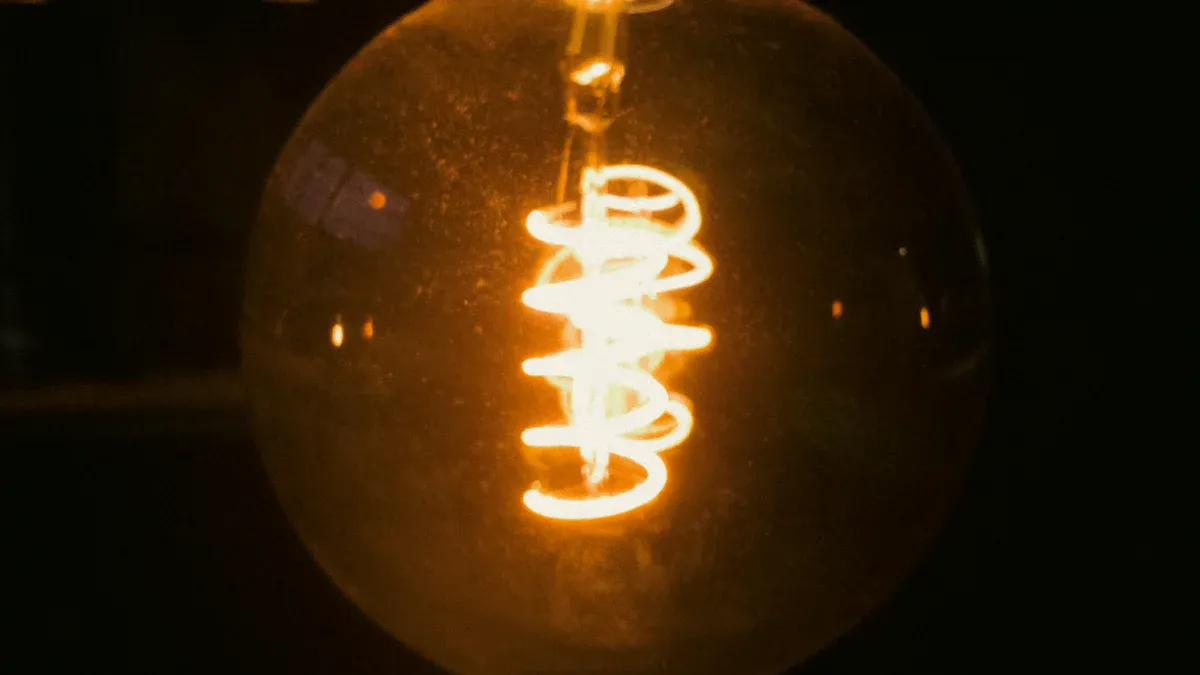
You might notice more people choosing LED bulbs over traditional options. According to recent surveys, you save money on energy costs and use less electricity when you pick LED bulbs. Many users switch because these bulbs last longer and help reduce landfill waste. You also lower your carbon footprint by making the switch. The incandescent vs led debate matters because bulbs impact your wallet, the environment, and your satisfaction at home. Making the right choice for your bulbs pays off in many ways.
Key Takeaways
Switching to LED bulbs can save you significant money on energy bills, with potential savings of up to $1,000 over ten years.
LED bulbs last much longer than incandescent bulbs, reducing the frequency and cost of replacements.
Choosing LED bulbs helps the environment by lowering energy consumption and reducing landfill waste.
LED bulbs offer various color temperatures, allowing you to create the desired atmosphere in your home.
While LED bulbs may have a higher upfront cost, their long-term savings and efficiency make them a smart investment.
Why Switch to LED Light Bulbs
Cost and Energy Benefits
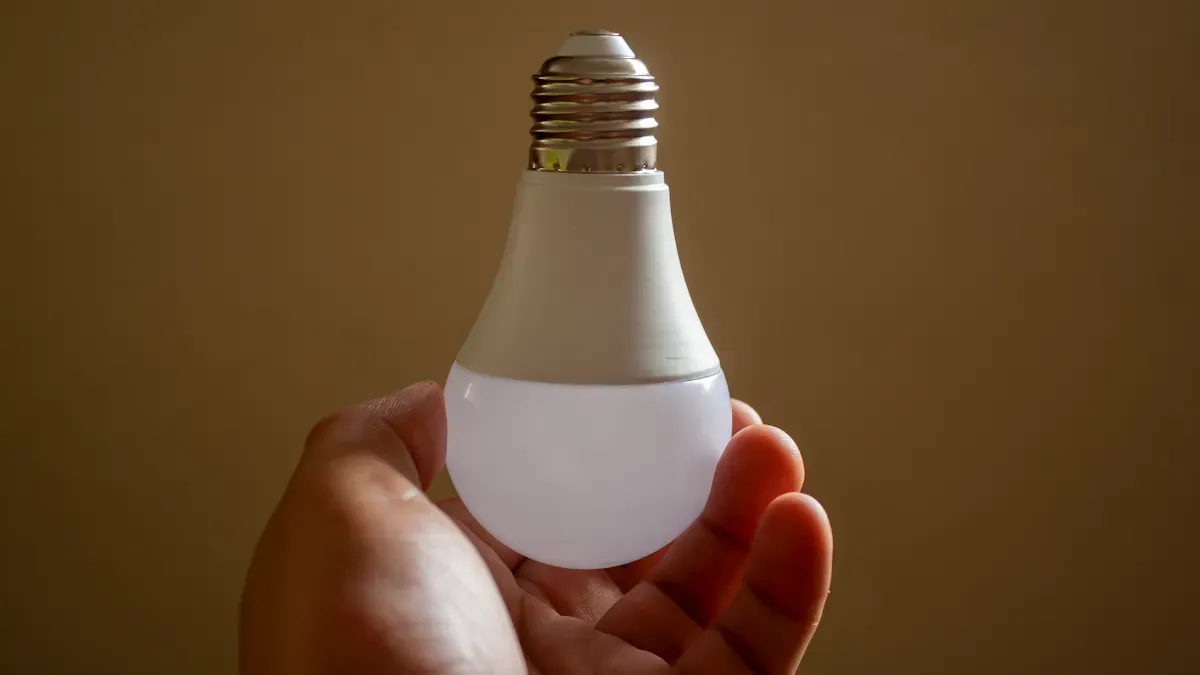
You want to save money on your electricity bill. Switching to led bulbs helps you do that. These bulbs use about 75% less energy than incandescent bulbs. A typical incandescent bulb uses 60 watts, but an led only needs 8 to 10 watts for the same brightness. This difference means you see real savings every month. The Department of Energy estimates you could save about $225 a year in energy costs by switching your home to all led light bulbs. Over ten years, the Consumer Federation of America found that you could save about $1,000. Most households see annual savings between $100 and $300. These savings add up quickly, making the cost of led bulbs worth it. You also spend less time and money replacing bulbs because of their longer lifespan.
Environmental Impact
Choosing led bulbs helps the planet. These bulbs last up to 50,000 hours, while incandescent bulbs last only about 1,000 hours. This longer lifespan means fewer bulbs end up in landfills. You also lower your carbon footprint because led bulbs use less energy.
Switching to led lighting means you help limit energy wastage and reduce harmful emissions.
Incentives and Regulations
You may notice fewer incandescent bulbs in stores. Regulations now require higher energy efficiency standards. Many traditional bulbs cannot meet these rules.
The regulations have significantly impacted the availability of incandescent bulbs in retail markets by enforcing efficiency standards that many traditional incandescent bulbs cannot meet. While some exemptions exist, the overall trend has been a shift towards more energy-efficient lighting options, such as LEDs and halogen bulbs, which comply with the new standards.
Major retailers have stopped selling noncompliant bulbs. These changes encourage you to choose led light bulbs for better efficiency, cost savings, and a positive environmental impact.
User Experience with Incandescent Bulbs
Warmth and Light Quality
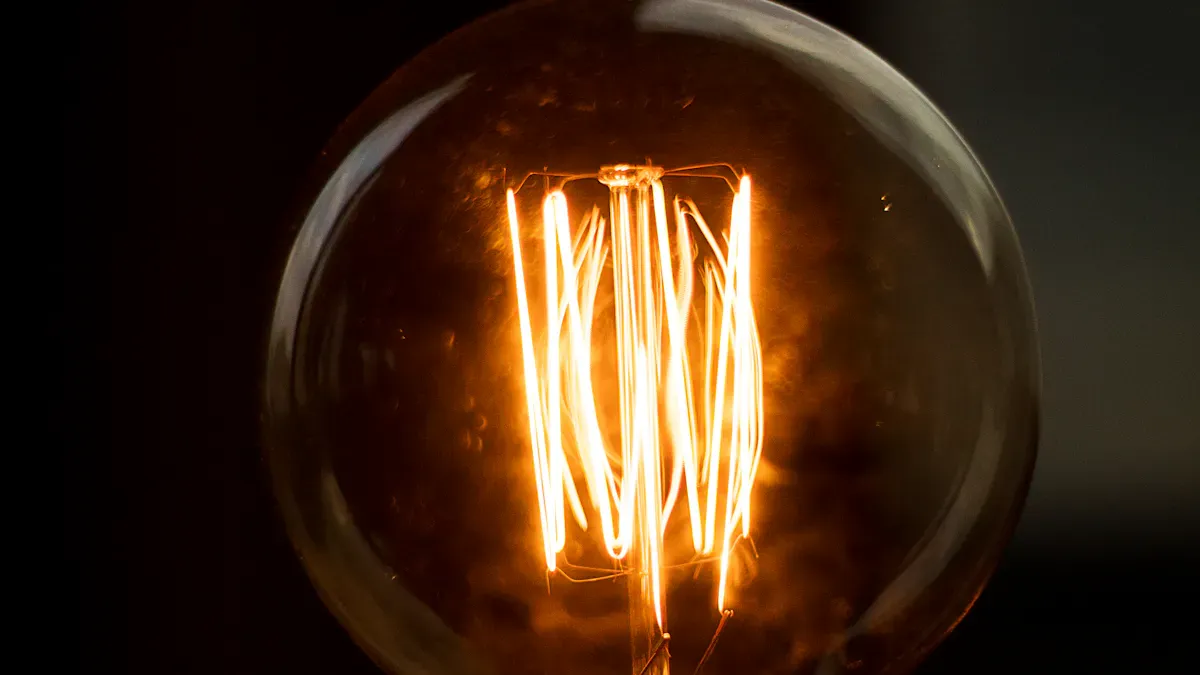
You notice a difference when you use incandescent bulbs in your home. Incandescent light bulbs create a warm, yellowish glow that many users describe as cozy and inviting. You often choose incandescent bulbs for living rooms, bedrooms, and spaces where you want a relaxing atmosphere. Incandescent bulbs rarely flicker, so you enjoy steady light that feels natural. Some users say that incandescent bulbs help colors look true and vibrant. You may find that LED bulbs can mimic this warmth with special warm white options, but some LED bulbs emit cooler, bluish light. This cooler tone can change how you see colors and affect the mood of a room. Modern LED technology has improved, but you still hear that incandescent bulbs offer a unique glow that many people prefer.
Incandescent bulbs emit a warm glow ideal for cozy settings.
You experience minimal flicker and natural light quality.
Some LED bulbs replicate warmth, but others feel cooler.
Safety and Heat Issues
Incandescent light bulbs produce light by heating a filament. You feel the heat when you touch an incandescent bulb after it has been on for a while. Incandescent bulbs convert about 90% of their energy into heat, not light. This high heat output can cause discomfort and even pose safety risks. You may worry about fire hazards, especially in small or poorly ventilated spaces. Incandescent bulbs can make a room warmer, which is not always desirable. You need to be careful when handling incandescent bulbs because they get hot quickly and can burn your fingers.
Incandescent bulbs generate considerable heat, which can lead to safety issues such as discomfort and fire hazards, particularly in small or poorly ventilated areas.
Lifespan and Energy Use
Incandescent light bulbs do not last long. You often replace incandescent bulbs after only a few months of use. The average lifespan of incandescent bulbs is about 750 to 1,000 hours. In comparison, LED bulbs last much longer—up to 50,000 hours. Incandescent bulbs use much more energy than LED bulbs. A typical incandescent bulb uses 60 watts to produce the same brightness that an LED bulb achieves with only 8 to 10 watts. You spend more money on electricity when you use incandescent bulbs. The US Department of Energy reports that LED bulbs use at least 75% less energy than incandescent light bulbs. You see the difference in your energy bill and how often you need to buy new bulbs.
LED Bulb Experiences
Longevity and Savings
You notice a big difference in how long led bulbs last compared to older options. Many users say that led bulbs outlast incandescent bulbs by a wide margin.
One of the biggest advantages users notice after switching to LED bulbs is convenience. Unlike incandescent bulbs, LEDs rarely need replacement, which reduces maintenance and interruption in daily life. Many users also appreciate the consistent brightness and lower heat output, especially in frequently used spaces such as kitchens, offices, and living rooms.
Light Quality and Comfort
You may wonder if led bulbs feel as comfortable as incandescent bulbs. Some users enjoy the bright, efficient light that led bulbs provide. You can choose from different color temperatures, so you find a light that fits your space. However, you might notice flicker with some led bulbs. Users report that flickering can cause discomfort, eye strain, or even headaches. Some people feel less comfortable in rooms with flickering led bulbs, even if the light looks warm. If you experience flicker, you may find that switching one led bulb for an incandescent bulb can help. This happens because some circuits or dimmer switches do not work well with all led bulbs.
Tip: If you notice flickering, try using led bulbs marked as "dimmable" or check your dimmer compatibility.
Upfront Cost Concerns
You see that led bulbs cost more at first. The average price for led bulbs ranges from $5 to $7, while incandescent bulbs cost about $2 to $3.
You might hesitate because of the higher price. However, led bulbs last much longer and use less energy. You buy fewer bulbs over time and pay less for electricity. Many users feel that the long-term savings and convenience make led bulbs a smart choice.
Incandescent vs LED Comparison
Efficiency and Performance
You want to know how incandescent vs led stack up in real-world use. The technical differences between these two types of bulbs are clear. You see the biggest gap in energy use, heat output, and lifespan. The table below gives you a quick comparison:
Aspect |
LED Bulbs |
Incandescent Bulbs |
Source Efficiency |
37-120 lumens/watt |
10 lumens/watt |
System Efficiency |
>50 lumens/watt |
Lower than source |
Heat Emissions |
Very little forward heat |
90% of energy as heat |
Lifespan |
Up to 50,000 hours |
1,000 hours |
Energy Consumption |
Lower energy costs |
Highest energy costs |
Environmental Impact |
More responsible |
Less responsible |
From a technical perspective, LED bulbs deliver the same brightness as incandescent bulbs while using significantly lower wattage. They also generate less heat and require less frequent replacement, making them more practical for long-term residential use.
For almost every use, led bulbs outperform incandescent bulbs. You get the same warm light, but you save money and energy. Led bulbs cost more at first, but you spend less over time because they last longer and use less electricity. Incandescent bulbs cost less up front, but you pay more in the long run.
User Preferences
You may wonder why some people still choose incandescent bulbs. The traditional bulbs vs LEDs comparison often comes down to personal taste and habits. Here are some common reasons you might prefer one over the other:
Energy efficiency: You save money and help the environment with led bulbs.
Health concerns: Some people believe incandescent bulbs are healthier, but modern led bulbs have improved to reduce eye strain and discomfort.
Design: You may like the classic look and warm glow of incandescent bulbs. Today’s led bulbs can match this style and color temperature.
Upfront cost: You pay less for incandescent bulbs at the store, but led bulbs save you more over time.
You might choose led bulbs for their efficiency and long life. You might pick incandescent bulbs for their familiar light and lower price. The lighting choices comparison shows that led bulbs now offer the same cozy light you expect from traditional bulbs.
Note: Modern led bulbs come in many shapes and colors. You can find options that look and feel just like your favorite incandescent bulbs.
Compatibility Issues
You may face challenges when you switch from incandescent to led bulbs. Fixture compatibility is a key part of the incandescent vs led comparison. Some older dimmer switches or fixtures do not work well with led bulbs. You might see flickering or the bulb may not light up at all. These problems can make you hesitate to switch.
You may need to check if your fixtures support led bulbs.
You might think you need to change your wiring or buy new dimmers.
Past problems with compatibility can make you stick with incandescent bulbs.
You can solve most issues by choosing led bulbs labeled as “dimmable” or by updating your dimmer switches. You do not need to make big changes in most cases. The incandescent vs led comparison shows that led bulbs fit in almost all standard fixtures today. You just need to check the packaging and follow the instructions.
Tip: If you notice flickering or other problems, try a different led bulb or update your dimmer switch for better results.
Satisfaction After Switching
Positive Outcomes
Many users report that the transition to LED lighting feels more natural over time than they initially expected. After adjusting to the different lighting style, users often appreciate the reduced maintenance, cooler operating temperature, and consistent illumination throughout the home. LED bulbs use about 75% less energy than incandescent bulbs. This efficiency means you pay less for electricity each month. Over time, you save hundreds of dollars just by changing your light bulbs.
You also enjoy the longer lifespan of LED bulbs. You do not need to replace them as often, which saves you time and effort. Many users appreciate that LED bulbs last for years, sometimes even decades, before burning out. This reliability adds convenience to your daily life.
You may also find that LED bulbs help protect your home. LEDs do not emit UV light, so your fabrics and furniture stay bright and colorful for longer. You avoid the fading that sometimes happens with older bulbs.
Here is a quick look at the main benefits you experience:
Benefit |
Description |
Energy Efficiency |
LED bulbs use about 1/6th the energy of incandescent bulbs, leading to significant savings. |
Cost Savings |
Over the lifespan of the bulb, you can save hundreds of dollars on energy costs. |
Longer Lifespan |
LED bulbs have a much longer operational life compared to traditional bulbs. |
Environmental Benefits |
LEDs do not emit UV light, which helps preserve fabrics and furnishings from fading. |
You can track your energy use with smart meters or energy monitors. Many users compare their bills before and after switching and see clear savings. You also notice that LED bulbs stay cool to the touch, making them safer for your family.
Recent studies show that most people feel satisfied with LED bulbs. You benefit from better technology, improved light quality, and more choices in color and brightness. The eco-friendly design of LEDs also appeals to you if you care about the environment.
Key positive outcomes you may experience:
Lower electric bills and long-term cost savings
Fewer bulb replacements due to longer lifespan
Safer lighting with less heat and no UV emissions
More control over light color and brightness
A positive impact on the environment
Tip: If you want to maximize your satisfaction, choose LED bulbs with the right color temperature for each room.
Common Regrets
You may still have some regrets after switching to LED bulbs. Some users feel disappointed with the light quality. You might describe LED light as too blue, cold, or clinical compared to the warm glow of incandescent bulbs. This difference can affect the mood in your home, especially during holidays or special occasions.
You may also worry about the impact of blue light on your health. Some people say that LED bulbs disrupt sleep or make rooms feel less cozy. You might miss the nostalgic feeling that comes from traditional incandescent lights, especially when decorating for festive seasons.
Many users share these common regrets:
The light from some LED bulbs feels too harsh or cold.
You miss the warm, cozy glow of incandescent bulbs, especially during holidays.
You feel nostalgic for the look and atmosphere of older lighting.
Some LED holiday lights do not match the aesthetic appeal of classic bulbs.
You may see creators on social media talking about their desire to return to incandescent lights for their cozy effect. This nostalgia is part of a larger conversation about how lighting shapes your memories and emotions.
Note: You can find LED bulbs labeled as "warm white" or "soft white" to help create a cozier atmosphere. Testing different brands and styles can help you find the right match for your home.
You see more people switching to LED bulbs, but some users feel mixed about losing traditional incandescent options for their homes. However, LED bulbs offer clear advantages. You save money, reduce energy use, and help the environment. You want a clear picture of how these two bulbs stack up. Here is the ultimate comparison based on technical performance and real-world use:
Feature |
LED Bulbs |
Incandescent Bulbs |
Energy Efficiency |
Uses about 75% less energy |
Uses 100% of standard wattage |
Up to 50,000 hours |
About 1,000 hours |
|
Upfront Cost |
Higher ($5 - $7) |
Lower ($2 - $3) |
Long-term Cost |
Significantly lower |
Highest energy and replacement costs |
Heat Output |
Very low (cool to the touch) |
High (90% of energy wasted as heat) |
Environmental Impact |
Reduces landfill waste, lower emissions |
More waste produced, higher emissions |
Tip: To get the best results, you should use LED bulbs in high-use areas, check for dimmer compatibility, and avoid enclosed fixtures unless the bulb is specifically rated for it. You maximize both your savings and your comfort by following these simple guidelines.
FAQ
Do LED bulbs work in all fixtures?
Most LED bulbs fit standard fixtures. You should check the packaging for compatibility. Some enclosed fixtures or older dimmer switches may need special LED bulbs. Look for bulbs labeled "dimmable" or "enclosed fixture rated" for best results.
Can you recycle LED bulbs?
You can recycle LED bulbs at many hardware stores or recycling centers. Unlike incandescent bulbs, LEDs do not contain hazardous materials. Always check local recycling guidelines before disposal.
Why do some LED bulbs flicker?
LED bulbs may flicker if you use them with incompatible dimmer switches or faulty wiring. Choose bulbs marked "dimmable" and update your dimmer switch if needed. Proper installation helps prevent flickering.
Are LED bulbs safe for your eyes?
LED bulbs are safe for your eyes when you use them correctly. Choose bulbs with a warm color temperature for comfort. Avoid staring directly at bright lights. If you feel discomfort, try a different bulb or lower brightness.
How do you choose the right color temperature?
You should select color temperature based on room use. Warm white (2700K–3000K) creates a cozy feel for bedrooms and living rooms. Cool white (4000K–5000K) works well in kitchens and workspaces. Check the bulb packaging for color temperature information.
Share:
How to Install a Pendant Light: Step-by-Step DIY Guide